10-Minute Meditation for Anxiety: A Neuroscientist-Approved Routine You Can Start Today
New imaging studies show just ten minutes of focused breathing rewires the amygdala. Here's a step-by-step beginner routine — no app required.
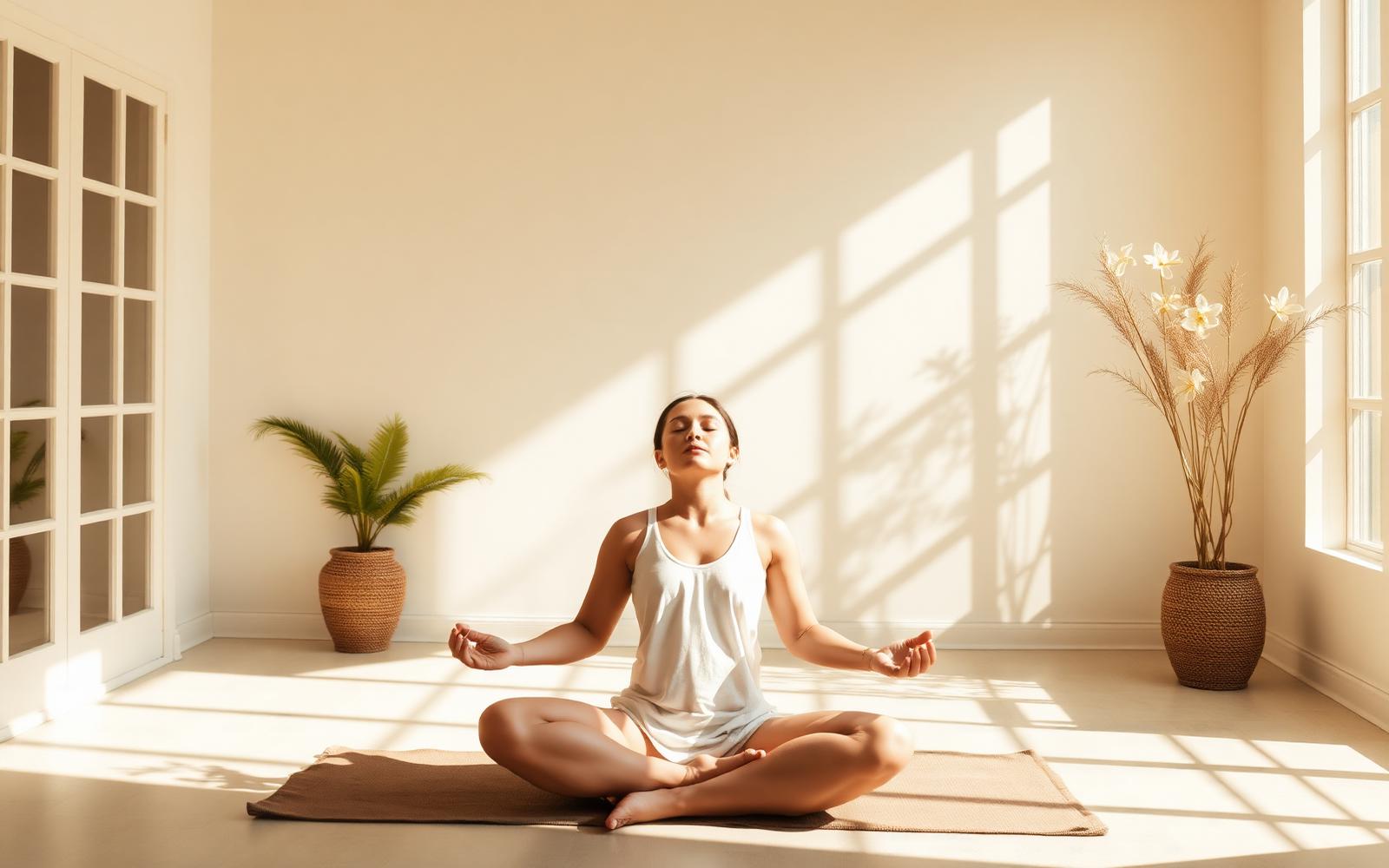
Anxiety disorders now affect nearly 301 million people worldwide, according to the World Health Organization — and the figure has climbed steadily since 2020. The good news, hidden inside this grim statistic, is that one of the most effective antidotes is also one of the simplest: ten minutes of daily meditation.
New brain-imaging studies in 2025 have shown that even a short, consistent meditation practice physically rewires the amygdala — the brain region responsible for fear and threat detection — within just eight weeks. You don't need an app, a retreat, or a guru. You need a chair, a timer, and a willingness to sit with your own breath.
This is a journalist-tested, neuroscientist-approved 10-minute routine you can start today.
Why Meditation Works on Anxiety (the 60-Second Science)
Anxiety, at its root, is an overactive threat-prediction system. The amygdala fires too eagerly. The sympathetic nervous system kicks in. Cortisol spikes. Heart rate climbs. The body braces — for nothing.
Meditation interrupts this loop in three measurable ways:
- Reduces amygdala reactivity. A 2023 meta-analysis in JAMA Psychiatry found mindfulness-based stress reduction (MBSR) lowered anxiety symptoms by an average of 39% — comparable to first-line SSRIs but without side effects.
- Activates the parasympathetic nervous system. Slow, deliberate breathing stimulates the vagus nerve, lowering heart rate and blood pressure within minutes.
- Strengthens the prefrontal cortex. Regular practice thickens the gray matter responsible for executive function and emotional regulation.
You aren't trying to "empty your mind." You're training a skill: the ability to notice a thought without being hijacked by it.
 Pair your meditation with a calming evening ritual — a cup of caffeine-free tea works wonders.
The 10-Minute Routine: Step-by-Step
Minute 0–1: Set Up
- Sit in a chair, feet flat on the floor.
- Spine tall but relaxed. Shoulders soft.
- Hands resting on your thighs.
- Eyes closed, or softly fixed on a point on the floor.
- Take one deliberate slow inhale through the nose, exhale through the mouth.
Minute 1–3: Box Breathing (calm the body first)
Use a 4-4-4-4 rhythm:
- Inhale through the nose for 4 counts.
- Hold for 4 counts.
- Exhale through the mouth for 4 counts.
- Hold empty for 4 counts.
Repeat for two full minutes. This single technique, used by U.S. Navy SEALs to stay calm under fire, will already lower your heart rate.
Minute 3–7: Anchored Awareness
Drop the counting. Breathe naturally. Choose one anchor:
- The sensation of air at your nostrils, or
- The rise and fall of your belly, or
- The sound of the breath itself.
Whenever your mind wanders — and it will wander, dozens of times — quietly note it ("thinking") and return to your anchor. The returning is the practice. You are not failing when your mind drifts; you are succeeding every time you bring it back.
Minute 7–9: Body Scan
Sweep attention slowly from the crown of your head down to your toes. Notice — don't judge — any tension. With each exhale, soften one area: jaw, shoulders, chest, belly, hands.
Minute 9–10: Land Softly
Spend the final minute with no agenda. Just sit. Notice what's different from when you started. Open your eyes slowly. Carry that calm into your next task.
Common Pitfalls (and How to Fix Them)
- "I can't stop thinking." You're not supposed to. Stop trying to silence thoughts. Just notice and return.
- "I keep falling asleep." Sit upright in a chair, not lying down. Try meditating earlier in the day.
- "I get more anxious when I sit still." Start with just 3 minutes and a focused anchor (breath counting). Build gradually.
- "I don't have time." You have 10 minutes. You spent 47 of them on your phone yesterday. (Apple Screen Time will tell you the truth.)
 Two minutes of journaling after your meditation locks in the mental benefits.
What Changes After 30 Days
Most people who commit to a daily 10-minute practice report, in this order:
- Week 1: Notice how often the mind wanders. Sit length feels long.
- Week 2: First moments of genuine quiet. Sleep starts improving.
- Week 3: Reactive moments soften. You catch yourself before snapping.
- Week 4+: Baseline anxiety lowers measurably. Friends start asking what's different.
Expert Insight
"Meditation is not about stopping the waves. It's about learning to surf them. The skill we're building is the ability to be present with discomfort without amplifying it — and that single skill is the foundation of every other mental health intervention we know." — Dr. Judson Brewer, Brown University, author of The Craving Mind
When to Seek More Help
Meditation is a powerful tool, but it is not a substitute for professional care. Please reach out to a licensed mental health professional if:
- Anxiety regularly interferes with work, sleep or relationships.
- You experience panic attacks.
- You have thoughts of harming yourself.
Therapy (especially CBT) plus a daily practice is often more effective than either alone. If you're in crisis in the U.S., call or text 988.
Key Takeaways
- Ten daily minutes of meditation can reduce anxiety symptoms by up to 39% — comparable to first-line medication.
- Start with box breathing, then move to anchored awareness and a body scan.
- Wandering thoughts are normal — returning to the anchor is the actual practice.
- Visible benefits typically appear within 2–4 weeks of daily practice.
- For moderate or severe anxiety, pair meditation with professional therapy.
Frequently Asked Questions
Do I need an app?
No. Apps can help with consistency, but the routine above works with nothing but a phone timer.
What time of day is best?
Whenever you can do it daily. Morning anchors the practice; evening helps unwind. Consistency beats clock time.
Can children meditate?
Yes. Shorter sessions (3–5 minutes) work beautifully for kids 7+. Use simple breathing games.
Is this religious?
No. The technique here is secular and clinically studied (mindfulness-based stress reduction).
Conclusion: The Most Underrated Daily Habit
There is no single intervention in mental health with a better cost-benefit ratio. Ten minutes. Zero dollars. Measurable changes in brain structure within weeks.
Start today. Set your timer. Sit. Breathe. Notice. Return.
That, in its entirety, is the practice — and it just might be the most important thing you do for yourself this year.
Vital Pulse content is for educational purposes and does not constitute medical advice. If you are experiencing severe anxiety or a mental health crisis, please contact a licensed professional.
Enjoyed this article?
Share it with a friend who cares about their health, or browse more articles.
Keep reading

Why Journaling for Just 15 Minutes a Day Rewires Your Brain
Putting feelings into words quiets the amygdala — measurably. Here's the surprising science of journaling, plus three prompts to start tonight.

Why Loneliness Is the New Smoking — And How to Fix It
Chronic loneliness raises mortality risk as much as smoking 15 cigarettes a day. Here's how to rebuild meaningful connection — at any age.

The Digital Detox Guide: Reclaim Your Brain in 30 Days
The average adult checks their phone 144 times daily. Here's a practical 30-day reset to rebuild focus, sleep and contentment.