The Health Screenings You Need by Age: A 2026 Checklist
The single most cost-effective thing you can do for your health: get the right screenings at the right age. Here's the 2026 checklist.
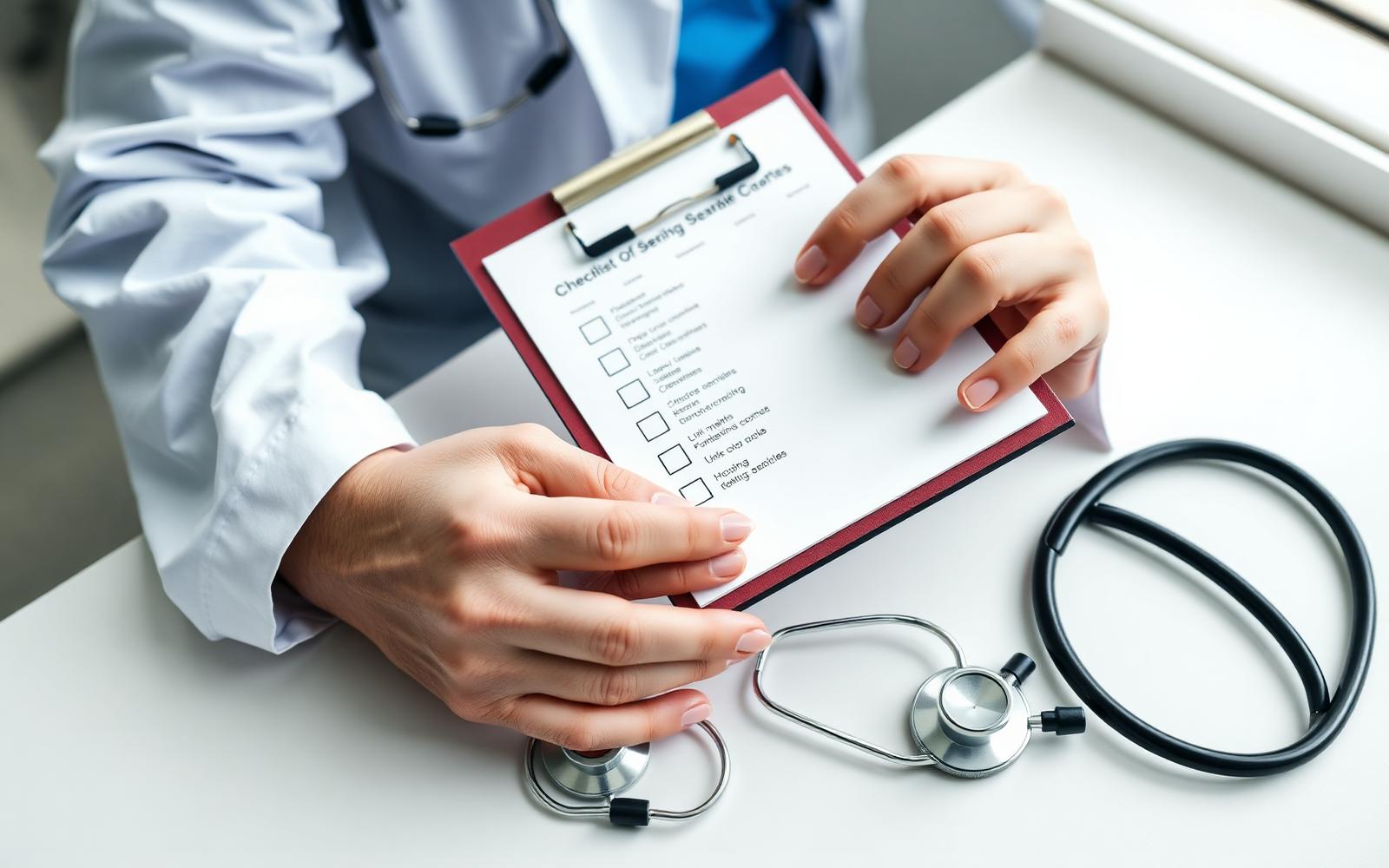
Most chronic disease — and most cancer deaths — would be preventable or curable if caught early enough. Yet survey data shows only 40% of U.S. adults are up to date on age-appropriate screenings.
 Small daily habits compound into transformative results.
Your 20s and 30s
Blood pressure every 2 years. Cholesterol panel every 5 years. STI screening as appropriate. Cervical cancer screening every 3 years (women 21+). Skin checks annually if higher risk.
Your 40s
Add: type 2 diabetes screening, mammograms (women 40+), expanded cardiovascular risk panel. Discuss colon cancer screening with your doctor at 45.
Your 50s
Add: colon cancer screening (colonoscopy or stool-based test), lung cancer screening if a smoker, bone density baseline (women).
Your 60s and Beyond
Continue all above. Add: hearing, vision, cognitive screening, fall risk assessment, abdominal aortic aneurysm screening (men who smoked).
Key Takeaways
- Early detection saves lives.
- Screenings change by decade.
- Most are insurance-covered.
- Stay on schedule.
Frequently Asked Questions
Do I need an annual physical?
Most adults benefit from periodic check-ins; "annual" isn't mandatory for healthy young adults.
Are home tests reliable?
Some yes (FIT stool tests, BP monitors). Others (full-body scans) often cause more harm than good.
Where can I get this free?
Most preventive screenings are covered without copay under U.S. insurance.
Conclusion
Small, evidence-based changes — practiced consistently — outperform every fad. Bookmark this guide, share it with someone you care about, and explore more on Vital Pulse.
Enjoyed this article?
Share it with a friend who cares about their health, or browse more articles.
Keep reading

Vitamin D Deficiency: 7 Signs You're Low and What to Do
Vitamin D affects immunity, mood, bone density and heart health. Up to 42% of adults are deficient — and most don't know it.

40% of Cancers Are Preventable: The 2026 Evidence
The WHO estimates 30–50% of cancers are preventable. Here are the lifestyle levers backed by the strongest 2026 evidence.

10 Habits That Cut Heart Disease Risk by 80%
Heart disease kills more people than anything else — yet up to 80% of cases are preventable. Here are the 10 habits with the strongest evidence.