Metabolism Myths: What Actually Slows It Down (and What Doesn't)
A landmark 2021 *Science* study rewrote the rules of metabolism. Here's what really shapes yours — and what doesn't.

The story that your metabolism crashes at 30 was rewritten in 2021. A landmark Science paper analyzed over 6,400 people aged 8 days to 95 years — and the results surprised everyone.
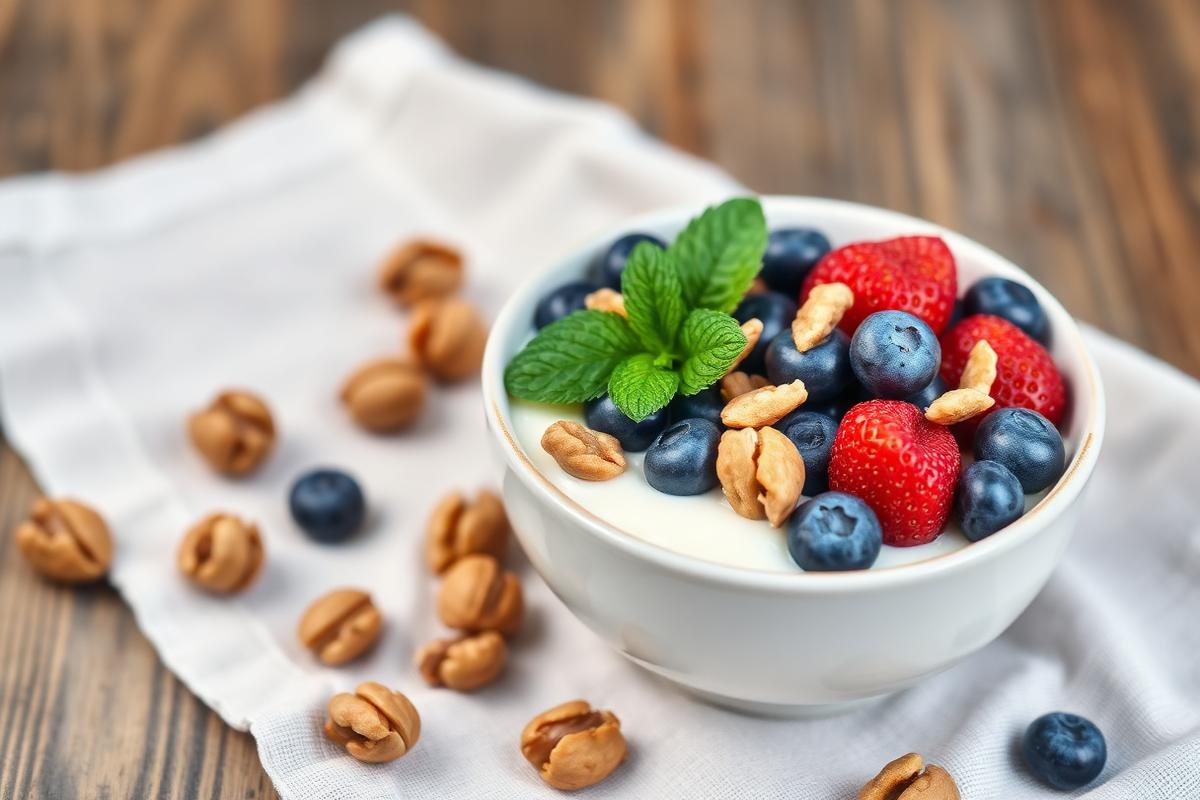 Small daily habits compound into transformative results.
What the Data Actually Show
Metabolism stays remarkably stable from age 20 to 60. The real decline starts around 60 — about 0.7%/year.
Why People Still Gain Weight in Their 30s
Lifestyle drift — not metabolism. Less movement, more eating out, worse sleep, more stress.
What Actually Lowers BMR
Crash diets, severe caloric restriction, loss of muscle mass, poor sleep, hypothyroid conditions.
How to Protect Your Metabolism
Strength training, adequate protein, sufficient sleep, avoiding very-low-calorie diets, daily movement.
Key Takeaways
- Metabolism is steady from 20 to 60.
- Crash diets backfire.
- Strength training protects BMR.
- Sleep matters more than people think.
Frequently Asked Questions
Can I "boost" my metabolism?
Slightly, by building muscle. There's no miracle food.
Does cold exposure help?
Modest evidence — useful, not transformative.
Does eating frequency matter?
Total daily intake matters far more than meal timing for most.
Conclusion
Small, evidence-based changes — practiced consistently — outperform every fad. Bookmark this guide, share it with someone you care about, and explore more on Vital Pulse.
Enjoyed this article?
Share it with a friend who cares about their health, or browse more articles.
Keep reading
The 7 Habits of People Who Keep Weight Off Long-Term
Most diets fail because they end. The people who keep weight off share a remarkably consistent set of habits — and none of them involve perfection.
GLP-1 Drugs vs. Natural Alternatives: What Actually Works in 2026
GLP-1 drugs like Ozempic are reshaping weight medicine. But not everyone needs — or wants — a prescription. Here's what naturally raises GLP-1.
Intermittent Fasting in 2026: Does It Actually Work?
After a decade of hype, the honest 2026 verdict on intermittent fasting is in — and it's more nuanced than you've been told.