Strength Training After 40: The Complete 2026 Beginner's Guide
After 30 you lose muscle every year — unless you train. Here's the simplest, safest, most evidence-based way to start lifting at 40, 50, 60 and beyond.

If you do one form of exercise after 40, make it resistance training. Why? Because muscle is your most important organ for healthy aging — it controls metabolism, blood sugar, balance, bone density and even cognition.
 Small daily habits compound into transformative results.
Why Muscle Matters After 40
Adults lose 3–8% of muscle per decade after 30 — accelerating after 60. This drives weight gain, frailty, falls and insulin resistance.
The Minimum Effective Dose
Two 30–45 minute sessions per week hitting all major muscle groups can fully halt and even reverse age-related muscle loss.
Six Movement Patterns to Master
Squat, hinge (deadlift), push (press), pull (row), carry, and lunge. Cover these and you're 90% done.
A Sample Beginner Week
Monday: goblet squat, dumbbell row, push-up, plank. Thursday: hip hinge, overhead press, lat pulldown, farmer carry. 2–3 sets of 8–12 reps.
Form, Progression, Recovery
Master the movement before adding weight. Add 2.5–5 lbs only when you can hit the top of your rep range cleanly. Sleep 7+ hours and eat enough protein.
Key Takeaways
- Muscle is the organ of longevity.
- 2 sessions/week halts age-related loss.
- Master 6 movement patterns.
- Progress slowly and sleep well.
Frequently Asked Questions
Will lifting make me bulky?
No. Building visible muscle requires years of intentional effort.
Is it safe at 60+?
Yes — multiple trials show resistance training is safe and beneficial well into your 80s.
Bodyweight or weights?
Both work. Weights progress faster.
Conclusion
Small, evidence-based changes — practiced consistently — outperform every fad. Bookmark this guide, share it with someone you care about, and explore more on Vital Pulse.
Enjoyed this article?
Share it with a friend who cares about their health, or browse more articles.
Keep reading

Is 10,000 Steps a Day Really the Magic Number? What 2026 Research Reveals
It turns out the famous 10,000 step goal is a marketing legacy — not a scientific finding. Here's what your daily step count should really be.

HIIT vs. Steady-State Cardio: Which Wins in 2026?
High-intensity intervals vs. long, slow runs — the eternal debate. The truth is more interesting (and more useful) than either side claims.
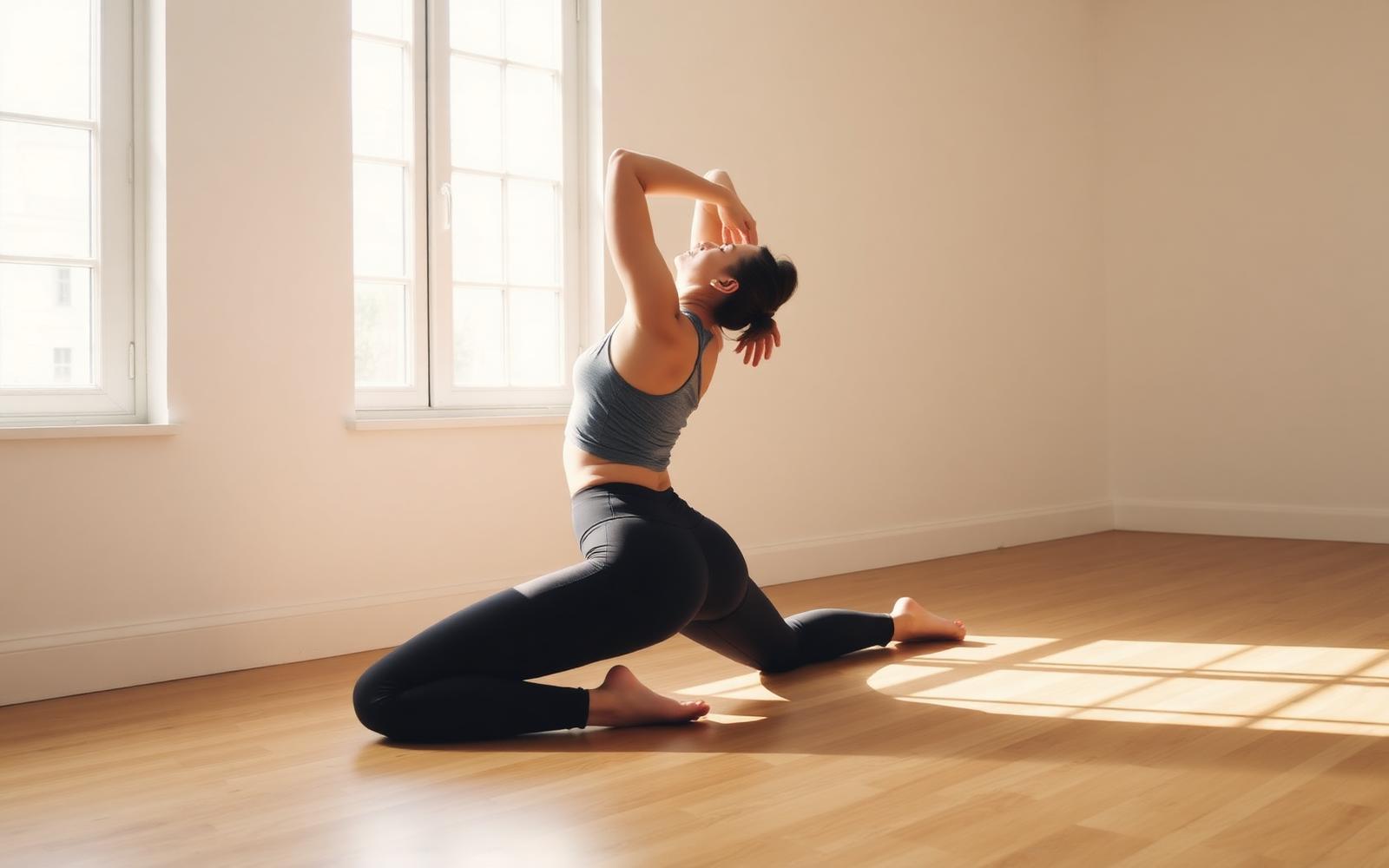
The 10-Minute Daily Mobility Routine That Fixes Stiff Joints
Modern desks and phones are wrecking our joints. Here's a 10-minute physical-therapist-approved routine to restore freedom of movement.