Is 10,000 Steps a Day Really the Magic Number? What 2026 Research Reveals
It turns out the famous 10,000 step goal is a marketing legacy — not a scientific finding. Here's what your daily step count should really be.
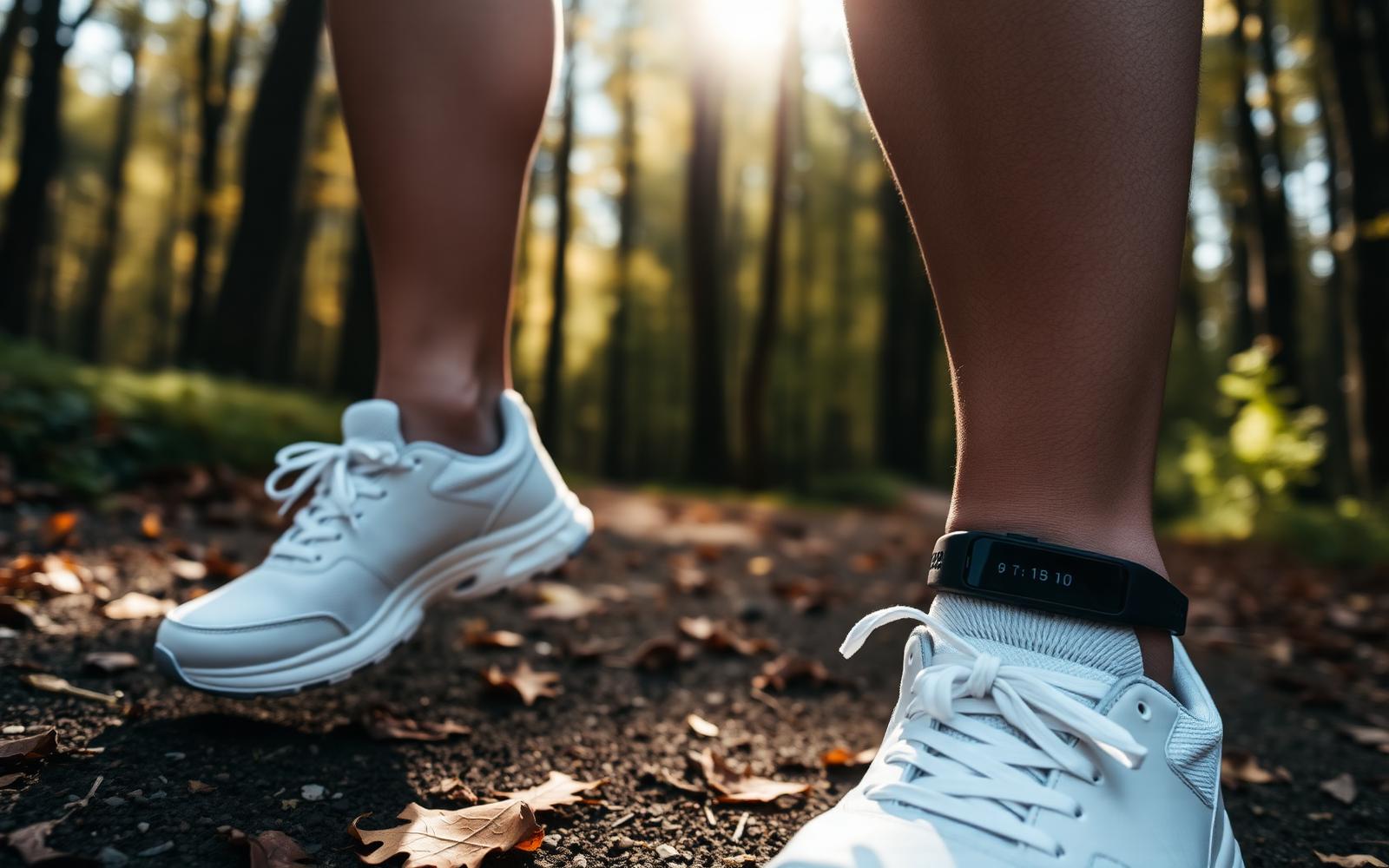
Walking is the most underrated form of medicine in the world. It costs nothing, requires no equipment, and yet large 2026 studies confirm it lowers all-cause mortality nearly as much as structured exercise. But how many steps do you really need?
 Small daily habits compound into transformative results.
Where 10,000 Came From
A 1960s Japanese pedometer brand named "Manpo-kei" — literally "10,000 steps meter." Pure marketing.
The Real Sweet Spot
A 2023 meta-analysis of 226,000 people found benefits begin at 2,500 steps/day and plateau around 7,000–8,000 steps/day for adults under 60. Older adults see most benefit at 6,000–8,000 steps.
Intensity Matters Too
Brisker steps (100+ steps/minute) deliver more cardiovascular benefit per step.
How to Add Steps Without Trying
Walking calls, post-meal walks, parking farther, taking stairs, treadmill desks. Two 10-minute walks add ~2,000 steps.
Key Takeaways
- Benefits start at 2,500 steps.
- 7,000–8,000 steps is the sweet spot.
- Intensity adds bonus benefit.
- Stack walks into your routine.
Frequently Asked Questions
Is walking enough exercise?
For longevity — yes. For strength and muscle preservation — pair it with 2x/week resistance training.
Does step count from phone count?
Yes, though phones undercount by ~10–15%.
What if I sit all day?
Aim for movement breaks every 30–45 minutes — even 2 minutes helps.
Conclusion
Small, evidence-based changes — practiced consistently — outperform every fad. Bookmark this guide, share it with someone you care about, and explore more on Vital Pulse.
Enjoyed this article?
Share it with a friend who cares about their health, or browse more articles.
Keep reading

Strength Training After 40: The Complete 2026 Beginner's Guide
After 30 you lose muscle every year — unless you train. Here's the simplest, safest, most evidence-based way to start lifting at 40, 50, 60 and beyond.

HIIT vs. Steady-State Cardio: Which Wins in 2026?
High-intensity intervals vs. long, slow runs — the eternal debate. The truth is more interesting (and more useful) than either side claims.
The 10-Minute Daily Mobility Routine That Fixes Stiff Joints
Modern desks and phones are wrecking our joints. Here's a 10-minute physical-therapist-approved routine to restore freedom of movement.