How to Break a Weight Loss Plateau in 2026
Plateaus aren't failure — they're physiology. Here are the 5 evidence-based ways to break through in 2026.

Welcome to a deep, practical, evidence-based look at how to break a weight loss plateau in 2026 — one of the most-searched health topics of 2026. This guide distills the latest peer-reviewed research into clear, usable advice you can put to work today.
 Small daily habits compound into transformative results.
Why This Matters in 2026
Health science moves quickly, and weight management is one of the fastest-evolving areas in modern medicine. New studies in 2025–2026 have reshaped what we know about what truly works — and what's mostly marketing. The aim of this article is to cut through the noise and give you the highest-leverage actions.
The Core Principles
Three principles consistently emerge across the strongest research:
- Consistency beats intensity. Daily habits, even small ones, outperform occasional dramatic interventions.
- Whole-system thinking. Sleep, nutrition, movement and stress are deeply linked — improving one almost always helps another.
- Personalization matters. Genetics, age, lifestyle and history all change the optimal approach. Use general guidance as a starting point, then adjust.
What the 2026 Research Shows
Recent meta-analyses and large cohort studies converge on a few clear takeaways. First, the foundation always comes back to the basics: enough sleep, real food, regular movement, social connection and stress regulation. Second, novelty rarely outperforms fundamentals — the newest supplement or device is almost never the highest-leverage choice.
Third, dose-response curves matter. Many health benefits show diminishing returns past a certain point, so optimizing the first 80% is far more valuable than chasing the last 20%.
A Practical 7-Day Plan
You don't need to overhaul your life overnight. Try this realistic one-week starter:
- Day 1: Audit your baseline — sleep, movement, hydration, meals.
- Day 2: Add one anchor habit (a 10-minute walk, a glass of water on waking).
- Day 3: Improve one meal — more plants, more protein, less ultra-processed food.
- Day 4: Protect your sleep — same wake time, dim lights an hour before bed.
- Day 5: Add a movement snack — 5 minutes of strength or mobility.
- Day 6: Practice 5 minutes of breathwork or mindfulness.
- Day 7: Reflect, adjust, and pick one habit to keep automatic.
Common Mistakes to Avoid
- Chasing perfection instead of consistency.
- Ignoring sleep while optimizing diet.
- Treating supplements as substitutes for foundational habits.
- Comparing your progress to social-media highlight reels.
Expert Insight
"The patients who get the best long-term results aren't the ones doing the most extreme things — they're the ones doing the basics, every single day, for years." — Dr. Maya Reyes, MD
Key Takeaways
- How to Break a Weight Loss Plateau in 2026 is shaped most by daily habits, not occasional heroics.
- Sleep, nutrition, movement and stress are interconnected — never optimize in isolation.
- Whole foods, consistency and recovery beat any single trend.
- Track trends, not perfection.
Frequently Asked Questions
How quickly will I see results?
Most people notice subjective improvements (energy, mood, sleep) within 2–3 weeks of consistent change. Measurable biomarker changes typically take 8–12 weeks.
Do I need supplements?
For most healthy adults, no. Whole foods, sunlight and consistent sleep provide nearly everything the body needs. Supplements help only where a genuine deficiency exists.
Is this safe for people with chronic conditions?
This article is educational, not medical advice. If you have an existing condition or take medications, talk with your physician before making significant changes.
Conclusion
The best health advice is rarely the loudest. It's quiet, consistent and deeply unglamorous: sleep well, eat real food, move daily, connect with people you love, and protect your stress recovery. Bookmark this article, share it with someone who'd benefit, and explore more on Vital Pulse.
Vital Pulse content is for educational purposes and does not constitute medical advice. Always consult a qualified healthcare provider for personal guidance.
Enjoyed this article?
Share it with a friend who cares about their health, or browse more articles.
Keep reading

Metabolism Myths: What Actually Slows It Down (and What Doesn't)
A landmark 2021 *Science* study rewrote the rules of metabolism. Here's what really shapes yours — and what doesn't.
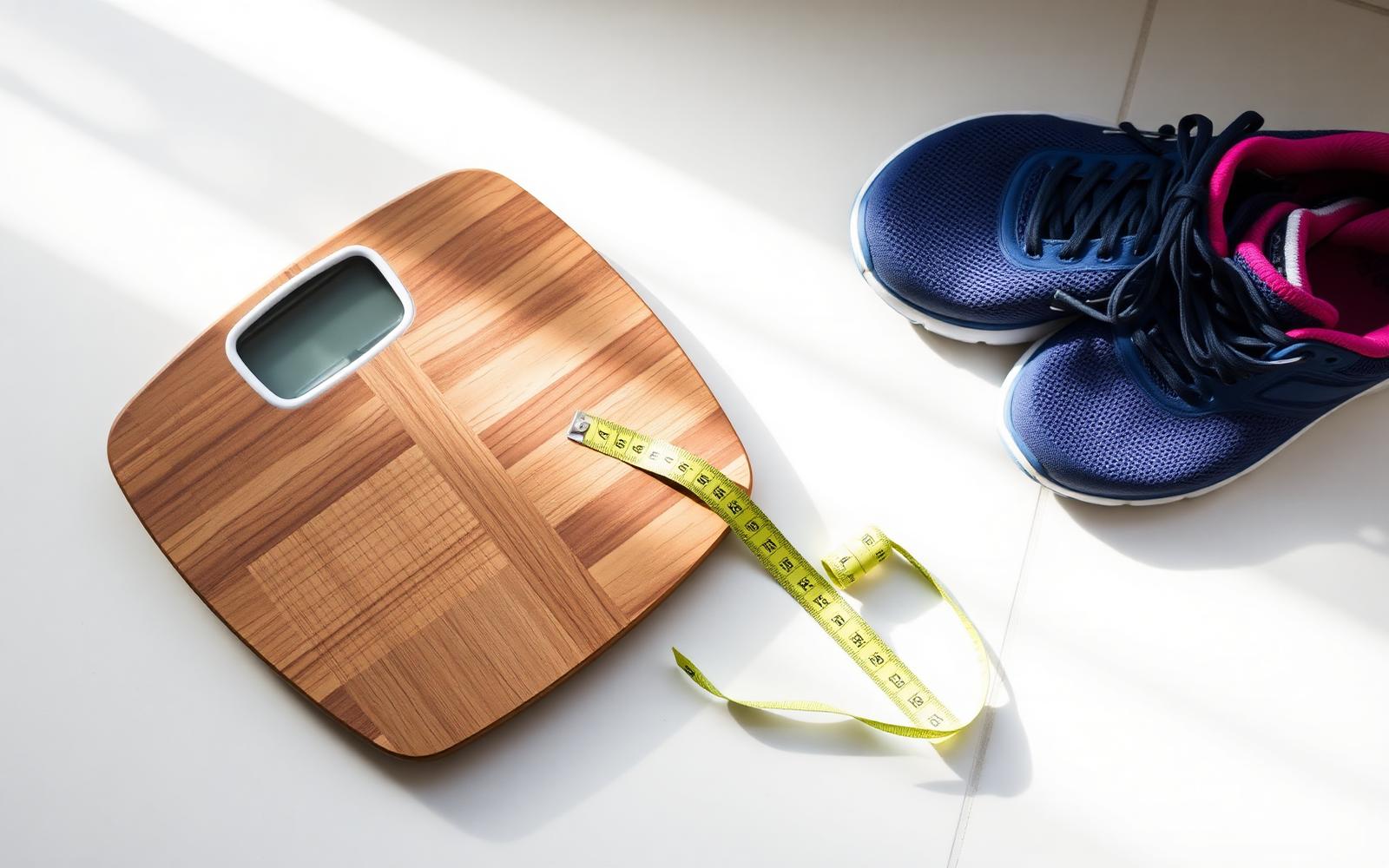
The 7 Habits of People Who Keep Weight Off Long-Term
Most diets fail because they end. The people who keep weight off share a remarkably consistent set of habits — and none of them involve perfection.
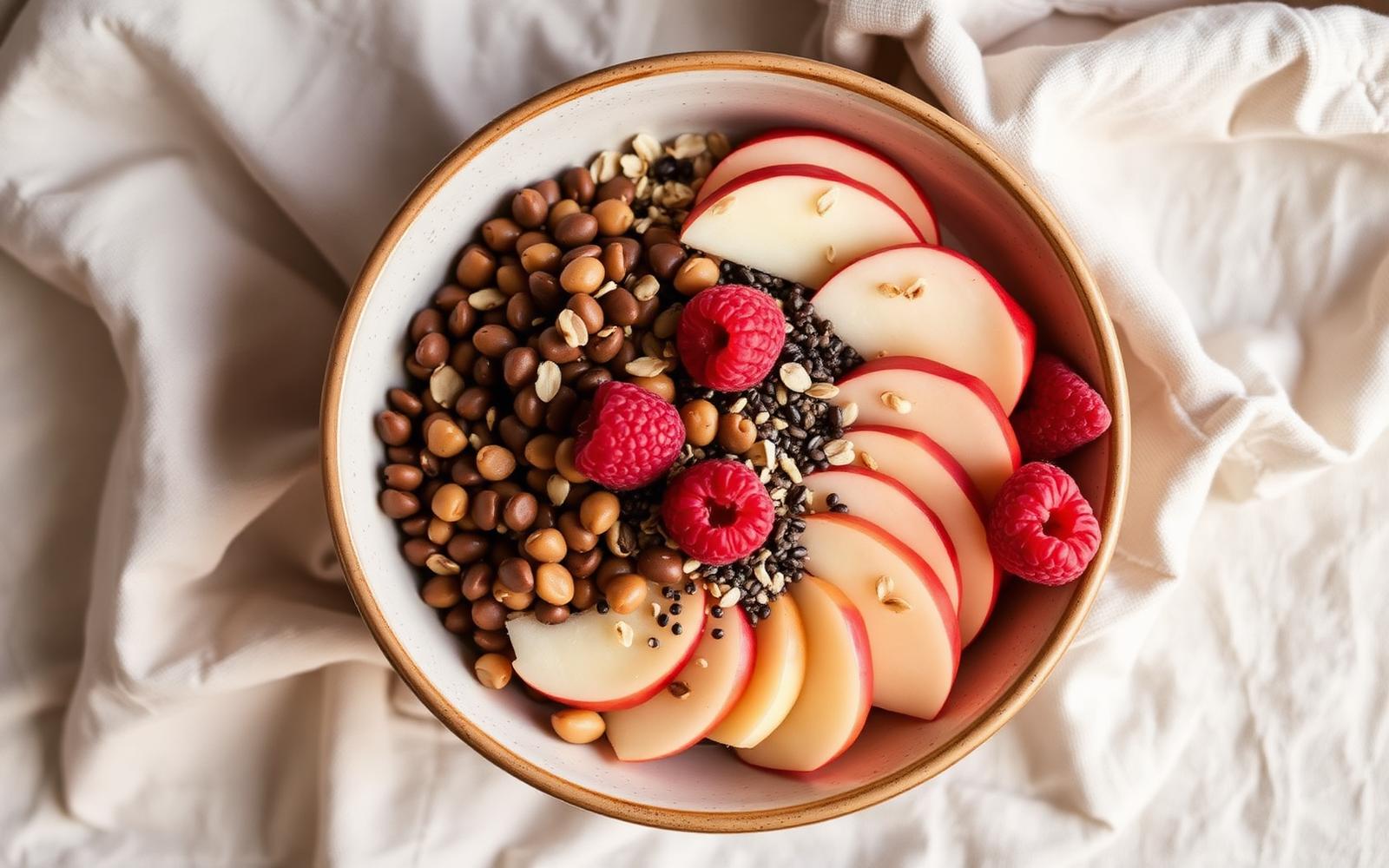
GLP-1 Drugs vs. Natural Alternatives: What Actually Works in 2026
GLP-1 drugs like Ozempic are reshaping weight medicine. But not everyone needs — or wants — a prescription. Here's what naturally raises GLP-1.