Gut Health 101: The 2026 Guide to a Thriving Microbiome
Your gut is home to trillions of microbes that shape mood, immunity, weight and even risk of dementia. Here's how to feed them well.
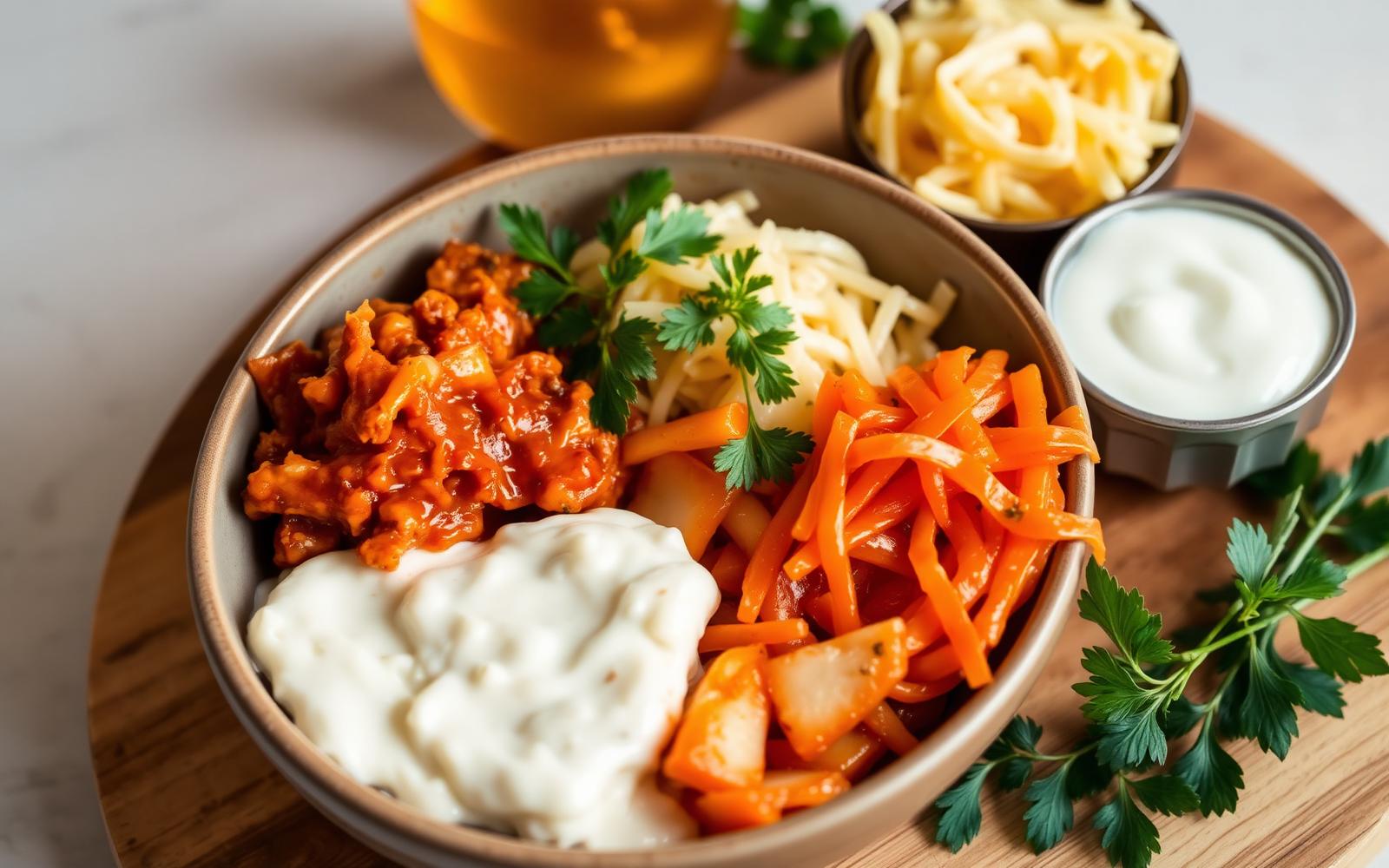
The microbiome — roughly 38 trillion microbes living mostly in your colon — is now recognized as a virtual organ. It produces neurotransmitters, regulates immune signaling, extracts energy from food and even talks to your brain through the vagus nerve.
 Small daily habits compound into transformative results.
What a Healthy Microbiome Looks Like
High diversity is the single best predictor of metabolic and mental health. Diversity comes from variety — different plants feed different microbial species.
The 30-Plants Rule
The American Gut Project found people who ate 30+ different plants per week had significantly more diverse microbiomes than those eating fewer than 10.
Prebiotics vs Probiotics
Prebiotics are fibers that feed beneficial bacteria — onions, garlic, leeks, asparagus, oats, bananas. Probiotics are live cultures from kefir, yogurt, kimchi, sauerkraut and kombucha.
What Damages the Gut
Ultra-processed foods, chronic stress, poor sleep, unnecessary antibiotics and artificial sweeteners can all reduce microbial diversity.
Key Takeaways
- Diversity beats any single "superfood."
- Eat 30+ plants a week.
- Fermented foods support beneficial strains.
- Avoid unnecessary antibiotics.
Frequently Asked Questions
Do probiotic supplements work?
Some strains help specific conditions, but fermented foods generally outperform pills.
How long until my gut improves?
Microbial composition can shift within days — but durable change takes 4–8 weeks of consistent eating.
Is fiber really that important?
Yes. Aim for 30+ g/day from diverse plant sources.
Conclusion
Small, evidence-based changes — practiced consistently — outperform every fad. Bookmark this guide, share it with someone you care about, and explore more on Vital Pulse.
Enjoyed this article?
Share it with a friend who cares about their health, or browse more articles.
Keep reading
The Mediterranean Diet in 2026: Why Doctors Still Call It the World's Healthiest Way to Eat
Ranked the world's healthiest diet eight years running, the Mediterranean way of eating is built on olive oil, fish, legumes and vegetables — and the science behind it is stronger than ever.
15 Anti-Inflammatory Foods That Actually Lower CRP, According to 2026 Research
Chronic low-grade inflammation is the quiet engine behind most modern disease. These 15 foods — backed by 2026 clinical data — measurably calm it down.
How Much Protein Do You Really Need? The 2026 Evidence-Based Guide
The decades-old protein recommendation is outdated. Here's what the latest research says — and how to translate it to your plate.