The Mediterranean Diet in 2026: Why Doctors Still Call It the World's Healthiest Way to Eat
Ranked the world's healthiest diet eight years running, the Mediterranean way of eating is built on olive oil, fish, legumes and vegetables — and the science behind it is stronger than ever.
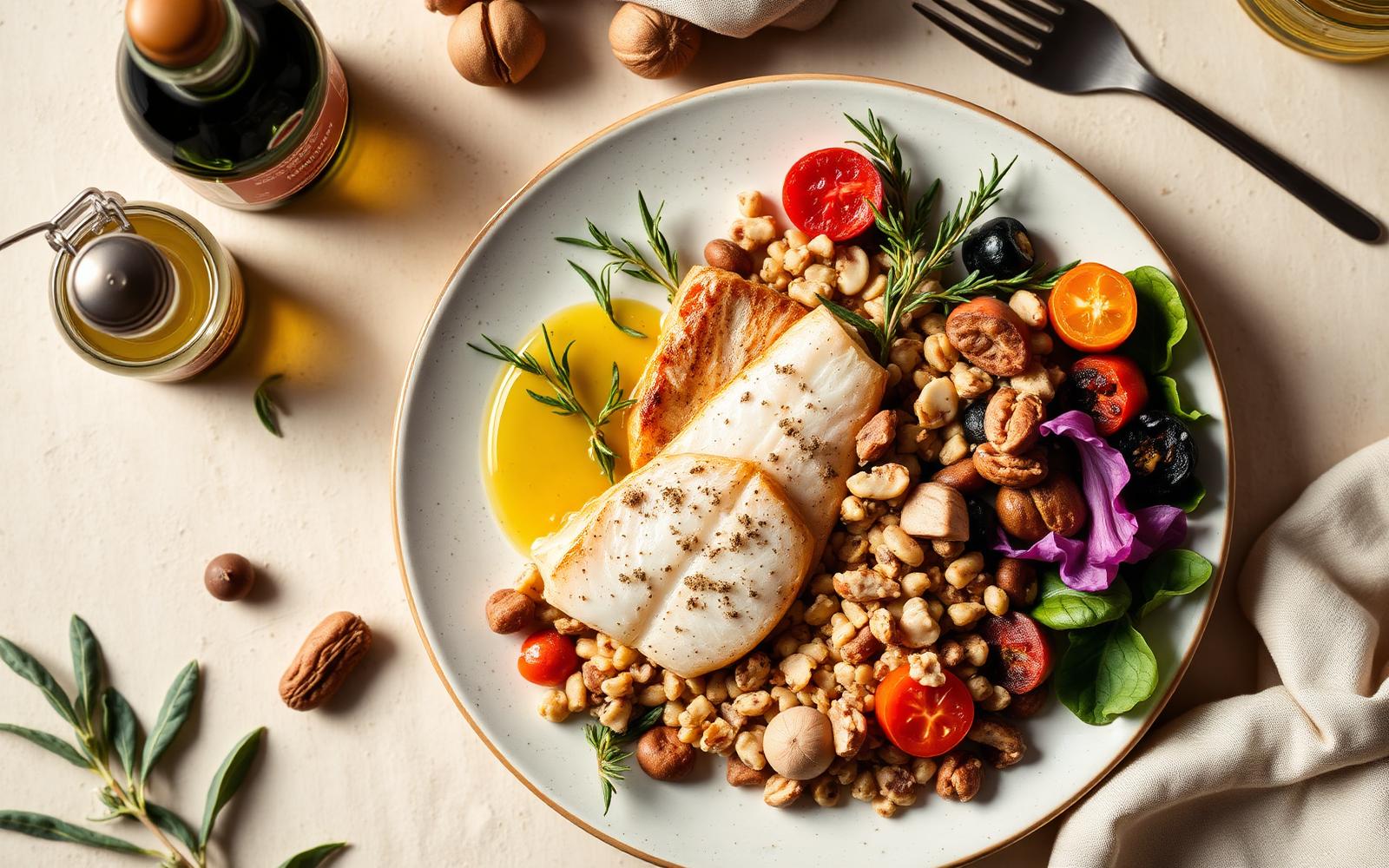
For the eighth consecutive year, the Mediterranean diet has been ranked the #1 healthiest diet in the world by U.S. News & World Report's 2026 panel of nutritionists and physicians. But this isn't a passing trend dreamed up by influencers. It's a way of eating refined over thousands of years on the sun-drenched coasts of Greece, Italy and Spain — and now validated by more than fifty years of clinical research.
If you've been overwhelmed by the noise around keto, carnivore, intermittent fasting and protein-maxxing, the Mediterranean diet is the calm, evidence-based antidote. It's not a diet in the restrictive sense at all. It's a pattern — built around plants, healthy fats, lean proteins and shared meals — and the data on its benefits is, frankly, astonishing.
Why the Mediterranean Diet Matters Right Now
Cardiovascular disease remains the #1 killer worldwide, claiming nearly 18 million lives every year, according to the World Health Organization. In the United States, more than 100 million adults live with diagnosed obesity, prediabetes or metabolic syndrome. The cost — human and economic — is staggering.
And yet, in the so-called "Blue Zones" of Sardinia and Ikaria, where the Mediterranean pattern is the default, people routinely live past 90 in robust health. The link between how they eat and how long they live is no longer speculative. It is one of the most consistent findings in modern nutrition science.
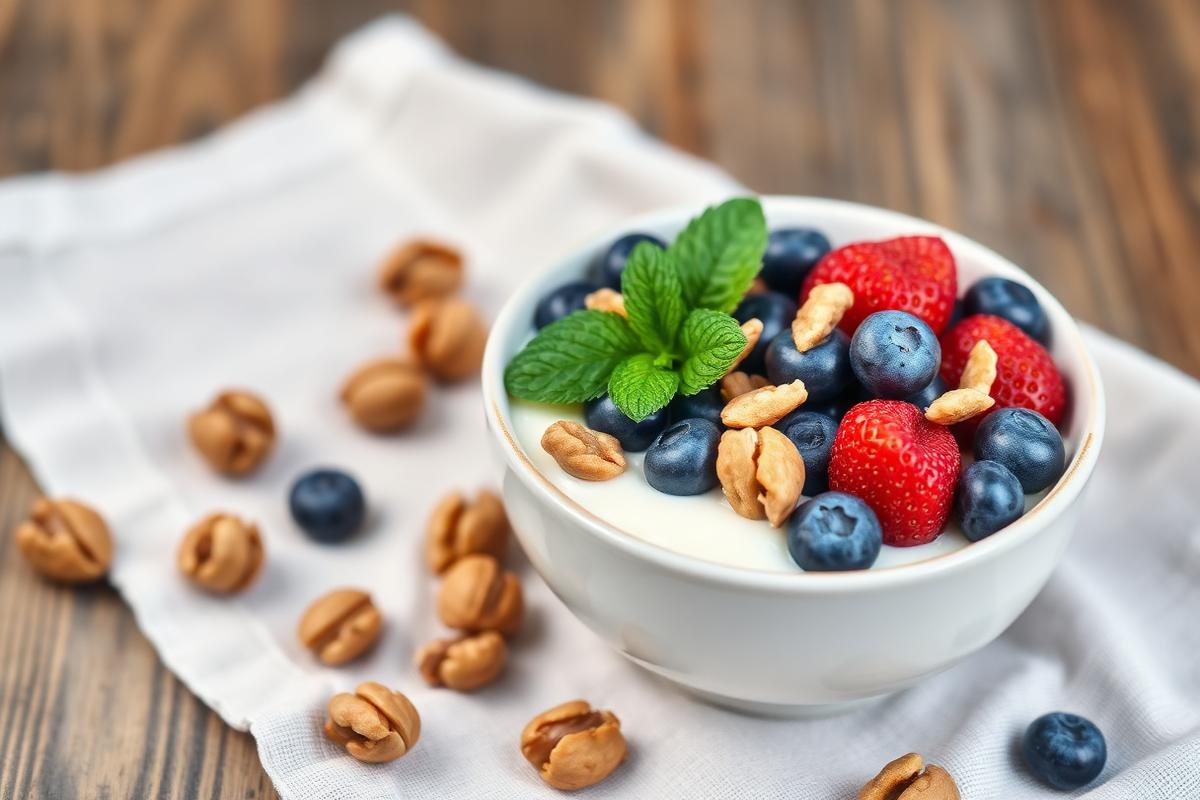 Berries and nuts — daily staples in the traditional Mediterranean pattern.
What the Mediterranean Diet Actually Looks Like
Forget complicated macros. The Mediterranean diet follows a simple visual pyramid:
- Every meal: vegetables, fruits, whole grains, legumes, nuts, seeds, herbs, spices and extra-virgin olive oil.
- At least twice a week: fish and seafood (especially fatty fish like sardines, salmon and mackerel).
- In moderation: poultry, eggs, cheese and yogurt.
- Sparingly: red meat and sweets.
- Optional: a glass of red wine with meals (always optional — never required).
- Always: water as the primary beverage, plus shared, slow-paced meals.
The hero ingredient is extra-virgin olive oil, which provides monounsaturated fats and a rich dose of polyphenols. A 2022 meta-analysis in the Journal of the American College of Cardiology found that consuming more than half a tablespoon of olive oil per day was associated with a 19% lower risk of cardiovascular mortality.
The Evidence: 6 Health Benefits Backed by Research
1. A 25–30% Lower Risk of Heart Attack and Stroke
The landmark PREDIMED trial, published in the New England Journal of Medicine, followed more than 7,000 high-risk adults for nearly five years. Those randomized to a Mediterranean diet supplemented with olive oil or nuts had roughly a 30% reduction in major cardiovascular events compared to a low-fat control group.
2. Up to 53% Reduction in Type 2 Diabetes Risk
A 2023 follow-up of the PREDIMED data showed that people closely adhering to the Mediterranean pattern were 52% less likely to develop type 2 diabetes — without explicit calorie counting. The mechanism appears to involve improved insulin sensitivity from monounsaturated fats and fiber-rich legumes.
3. Slower Cognitive Decline
Multiple longitudinal studies have linked closer adherence to the Mediterranean diet with lower rates of Alzheimer's disease and slower age-related cognitive decline. Polyphenols in olive oil, omega-3s in fatty fish and flavonoids in berries all support brain health.
4. Easier, Sustainable Weight Management
Unlike crash diets, the Mediterranean pattern is uniquely sustainable. A 12-month trial published in The Lancet found that participants on a Mediterranean diet lost slightly more weight than those on a low-fat diet — and kept it off longer.
5. Lower Inflammation
Chronic inflammation is the silent driver behind heart disease, diabetes and cancer. The Mediterranean diet's emphasis on omega-3s, polyphenols and fiber consistently lowers inflammatory markers like CRP and IL-6.
6. Better Mood and Mental Health
The 2017 SMILES trial showed that people with moderate-to-severe depression who switched to a Mediterranean-style diet experienced significantly greater symptom improvement than a control group receiving social support alone.
 Daily walking is part of the broader Mediterranean lifestyle — not just the food.
How to Start: A Practical 7-Day Approach
You don't need to overhaul your kitchen overnight. Here's a realistic transition plan:
Days 1–2: Replace
- Swap butter and seed oils for extra-virgin olive oil.
- Switch refined bread/pasta for 100% whole grain versions.
- Trade sugary drinks for water, sparkling water or unsweetened herbal tea.
Days 3–4: Add
- Aim for 5 servings of vegetables and 2 servings of fruit daily.
- Add a serving of legumes (lentils, chickpeas, white beans) to one meal.
- Snack on a small handful of nuts.
Days 5–7: Build
- Include fish twice this week (sardines on toast count!).
- Try one fully plant-based dinner.
- Eat at least one meal at a table, slowly, with someone you love.
Expert Insight
"The Mediterranean diet isn't a list of foods to eat or avoid — it's an entire culture of eating. Real, minimally processed ingredients. Olive oil instead of butter. Plants at the center of every plate. Decades of research show that this pattern reduces cardiovascular risk more reliably than almost any single medication." — Dr. Walter Willett, Harvard T.H. Chan School of Public Health
Common Mistakes to Avoid
- Drowning everything in olive oil. It's healthy, but it's still ~120 calories per tablespoon. 2–4 tablespoons a day is plenty.
- Buying "Mediterranean-labeled" processed foods. A frozen lasagna is not Mediterranean just because it has olives.
- Forgetting the lifestyle. Walking, sunshine, sleep and social meals are part of the package.
- Going too low-carb. The diet includes whole grains and legumes — fiber is non-negotiable.
Key Takeaways
- The Mediterranean diet has been ranked the world's #1 healthiest diet for 8 years running.
- It reduces cardiovascular events by ~30% (PREDIMED trial).
- Core foods: olive oil, vegetables, fruits, whole grains, legumes, fish and nuts.
- It supports heart health, brain health, weight management, mood and longevity.
- Start with simple swaps — don't overhaul your kitchen overnight.
Frequently Asked Questions
Is the Mediterranean diet expensive?
Not necessarily. Beans, lentils, frozen vegetables, eggs, canned sardines and seasonal produce are some of the cheapest foods in any supermarket. Olive oil is the one upgrade worth investing in.
Can I follow it as a vegetarian?
Absolutely. The traditional Mediterranean diet is already 80–90% plant-based. Simply replace fish with extra legumes, eggs, dairy and nuts for protein.
How long until I see benefits?
Most people report better energy and digestion within 2–3 weeks. Cardiovascular markers (blood pressure, cholesterol, blood sugar) typically improve within 8–12 weeks.
Is red wine required?
No. The benefits hold without alcohol. If you don't drink, don't start — the small protective effect doesn't outweigh the well-documented risks.
Conclusion: Eating as Medicine
The Mediterranean diet endures because it isn't really a diet at all — it's a culture of eating that aligns with how humans evolved to thrive. In a world dominated by ultra-processed foods, marketing hype and dieting noise, the Mediterranean pattern remains beautifully, stubbornly simple: real food, mostly plants, plenty of olive oil, a little fish, shared at a table with people you love.
If you only adopt one health change in 2026, this is the one with the deepest evidence base and the most enjoyable practice. Your heart, your brain — and your dinner guests — will thank you.
Vital Pulse content is for educational purposes and does not constitute medical advice. Always consult your physician before making significant dietary changes, especially if you have an existing medical condition.
Enjoyed this article?
Share it with a friend who cares about their health, or browse more articles.
Keep reading
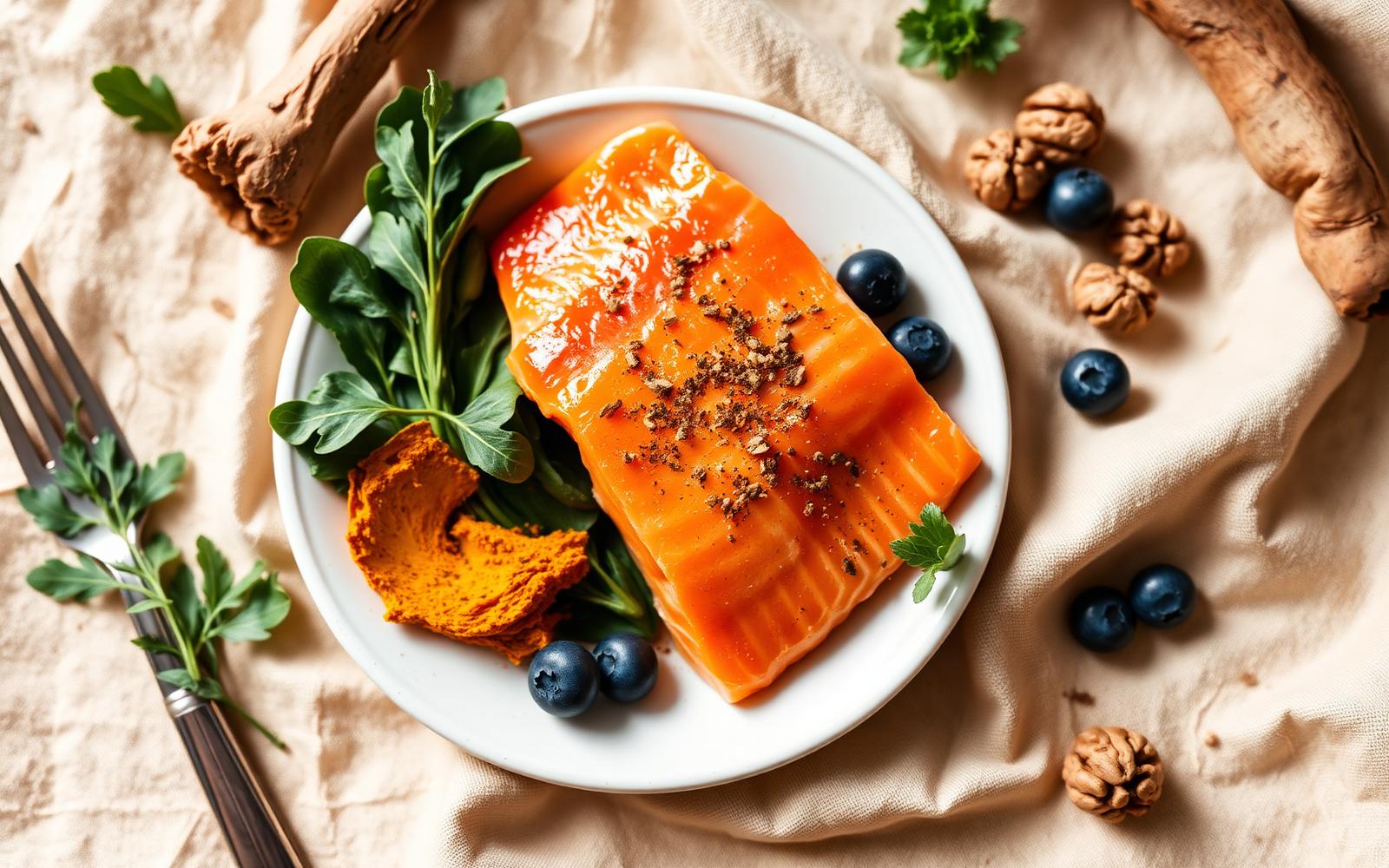
15 Anti-Inflammatory Foods That Actually Lower CRP, According to 2026 Research
Chronic low-grade inflammation is the quiet engine behind most modern disease. These 15 foods — backed by 2026 clinical data — measurably calm it down.
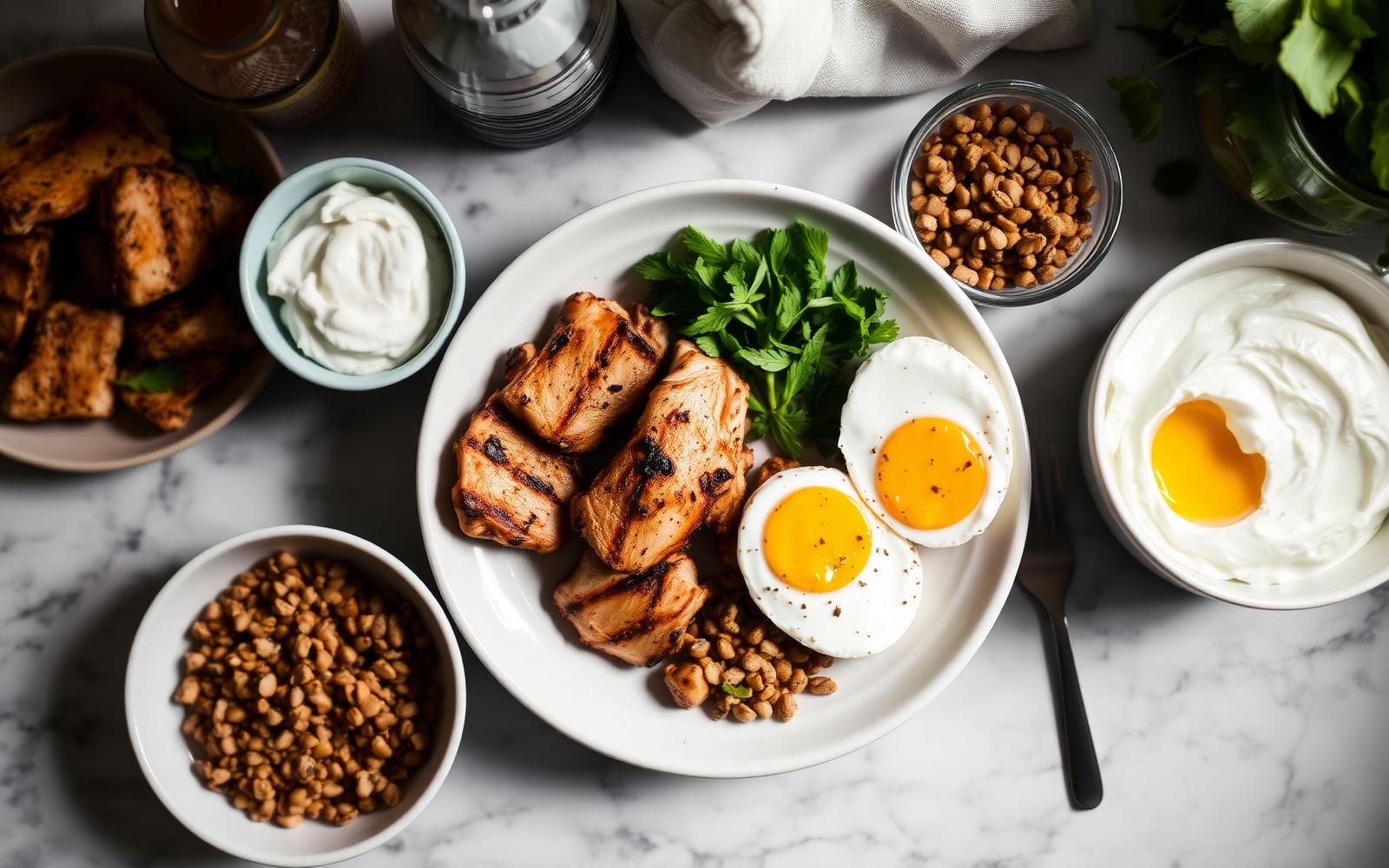
How Much Protein Do You Really Need? The 2026 Evidence-Based Guide
The decades-old protein recommendation is outdated. Here's what the latest research says — and how to translate it to your plate.

Gut Health 101: The 2026 Guide to a Thriving Microbiome
Your gut is home to trillions of microbes that shape mood, immunity, weight and even risk of dementia. Here's how to feed them well.