How Much Protein Do You Really Need? The 2026 Evidence-Based Guide
The decades-old protein recommendation is outdated. Here's what the latest research says — and how to translate it to your plate.
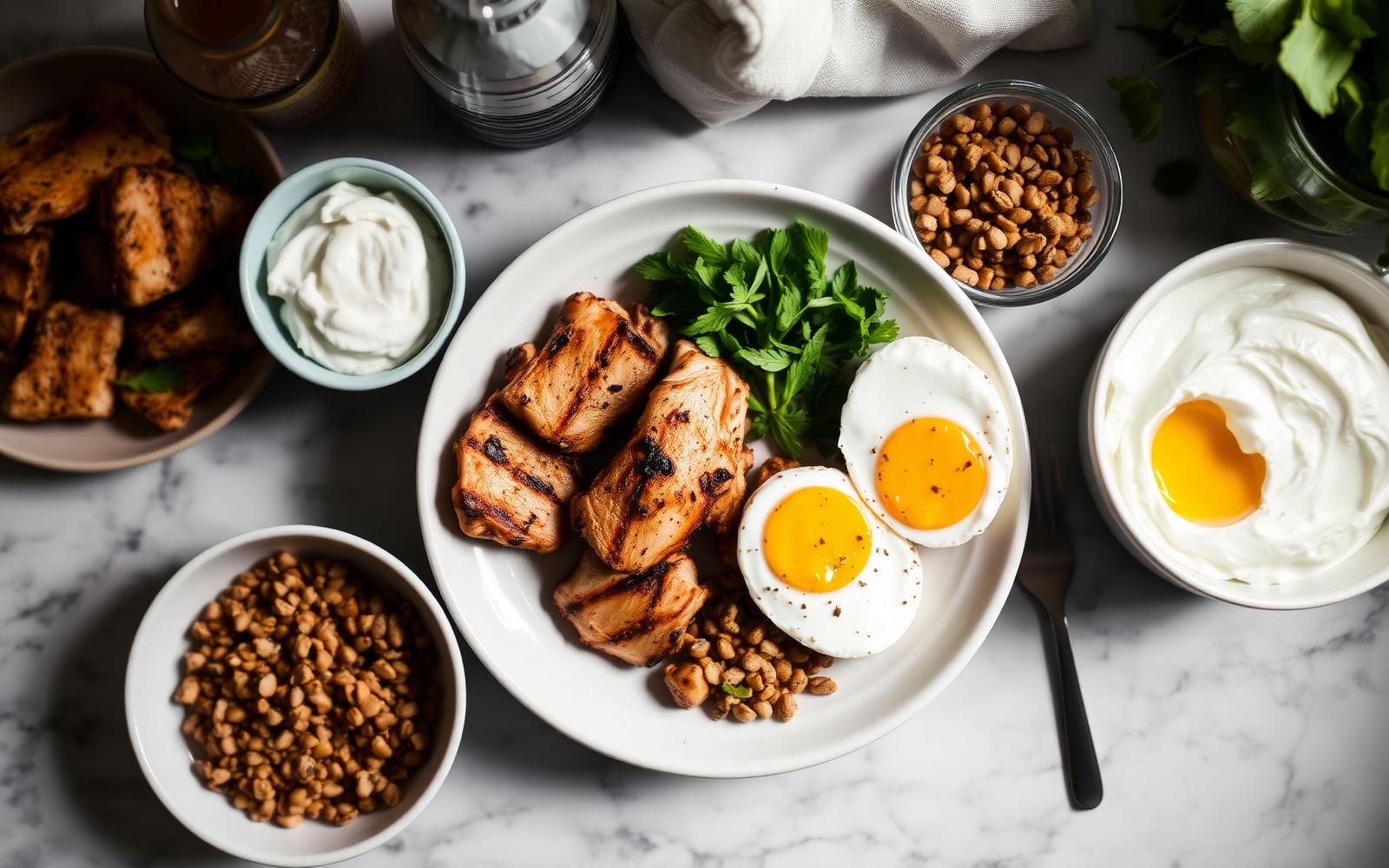
The official Recommended Dietary Allowance for protein — 0.8 g per kg of body weight — was designed in the 1940s to prevent deficiency in sedentary adults. It is the minimum to avoid muscle wasting, not the optimum for health. Modern research overwhelmingly suggests adults need significantly more, especially after age 40.
 Small daily habits compound into transformative results.
The New Numbers
Most adults: 1.2–1.6 g/kg/day. Active adults and adults 50+: 1.6–2.2 g/kg/day. A 70 kg (154 lb) active adult should aim for roughly 110–155 g of protein daily.
Why More Protein Matters After 40
Anabolic resistance — the reduced ability to build muscle from protein — sets in around age 40. Higher protein intake compensates and protects against sarcopenia, frailty and falls in later life.
Best Protein Sources
Animal: chicken, fish, Greek yogurt, eggs, cottage cheese. Plant: lentils, edamame, tofu, tempeh, seitan. Aim to combine sources for a complete amino acid profile.
How to Hit Your Target
Spread intake across 3–4 meals of 25–40 g each. A useful rule: a palm-sized portion of protein at every meal, plus a protein-rich snack.
Key Takeaways
- The RDA is a floor, not a target.
- Aim for 1.2–2.2 g/kg/day.
- Spread protein across the day.
- Combine plant sources for complete amino acids.
Frequently Asked Questions
Is too much protein bad for kidneys?
For people with normal kidney function, even 2 g/kg has not been shown to cause harm.
Can I get enough protein on a plant-based diet?
Yes — but you'll need to be intentional with legumes, soy, seitan and quinoa.
Do I need protein powder?
It's convenient, not required. Whole foods first.
Conclusion
Small, evidence-based changes — practiced consistently — outperform every fad. Bookmark this guide, share it with someone you care about, and explore more on Vital Pulse.
Enjoyed this article?
Share it with a friend who cares about their health, or browse more articles.
Keep reading
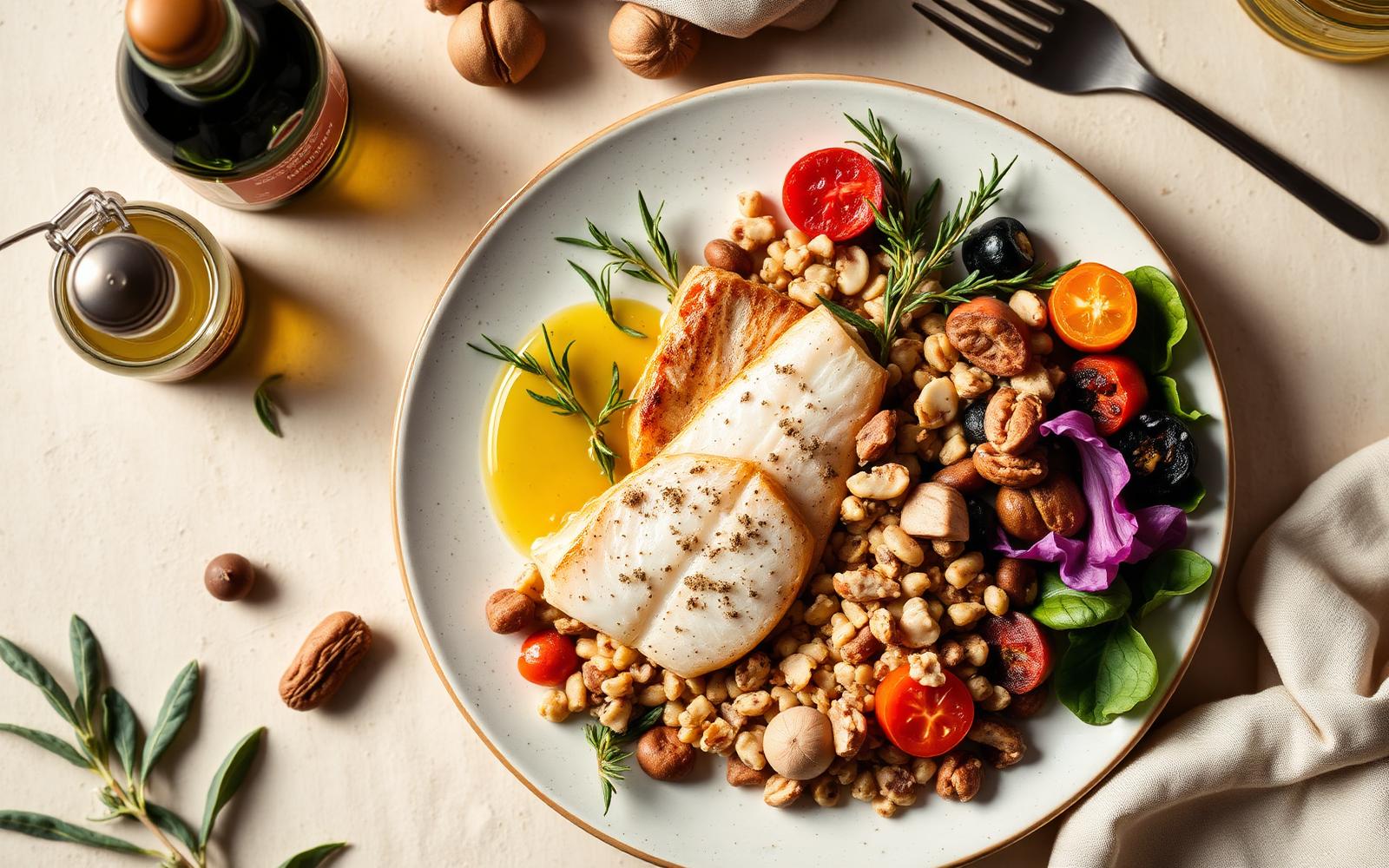
The Mediterranean Diet in 2026: Why Doctors Still Call It the World's Healthiest Way to Eat
Ranked the world's healthiest diet eight years running, the Mediterranean way of eating is built on olive oil, fish, legumes and vegetables — and the science behind it is stronger than ever.
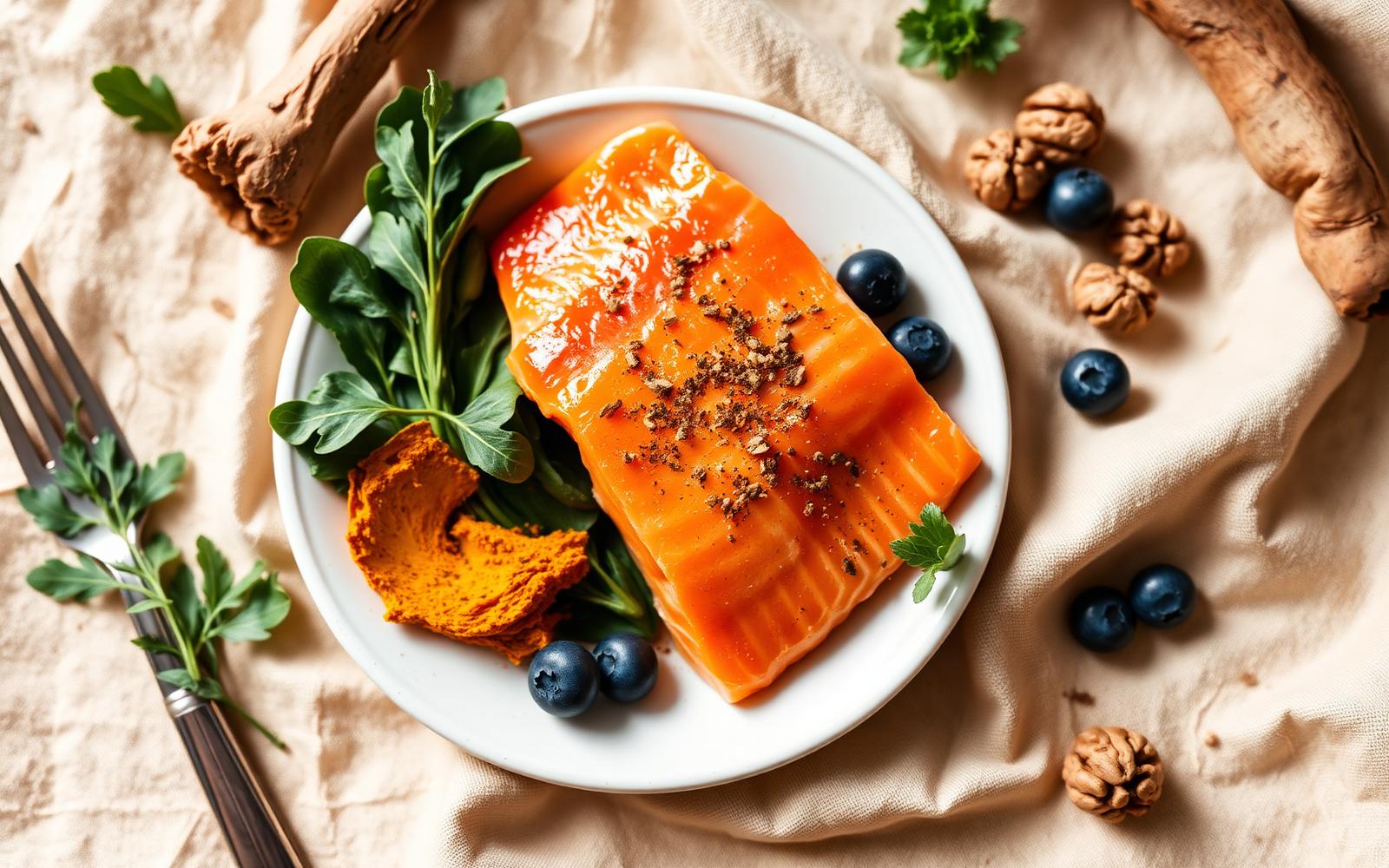
15 Anti-Inflammatory Foods That Actually Lower CRP, According to 2026 Research
Chronic low-grade inflammation is the quiet engine behind most modern disease. These 15 foods — backed by 2026 clinical data — measurably calm it down.
Gut Health 101: The 2026 Guide to a Thriving Microbiome
Your gut is home to trillions of microbes that shape mood, immunity, weight and even risk of dementia. Here's how to feed them well.