Hydration Myths Debunked: How Much Water Do You Actually Need in 2026?
The "8 glasses a day" rule is a myth with no scientific origin. Here's what actually determines your real hydration needs.
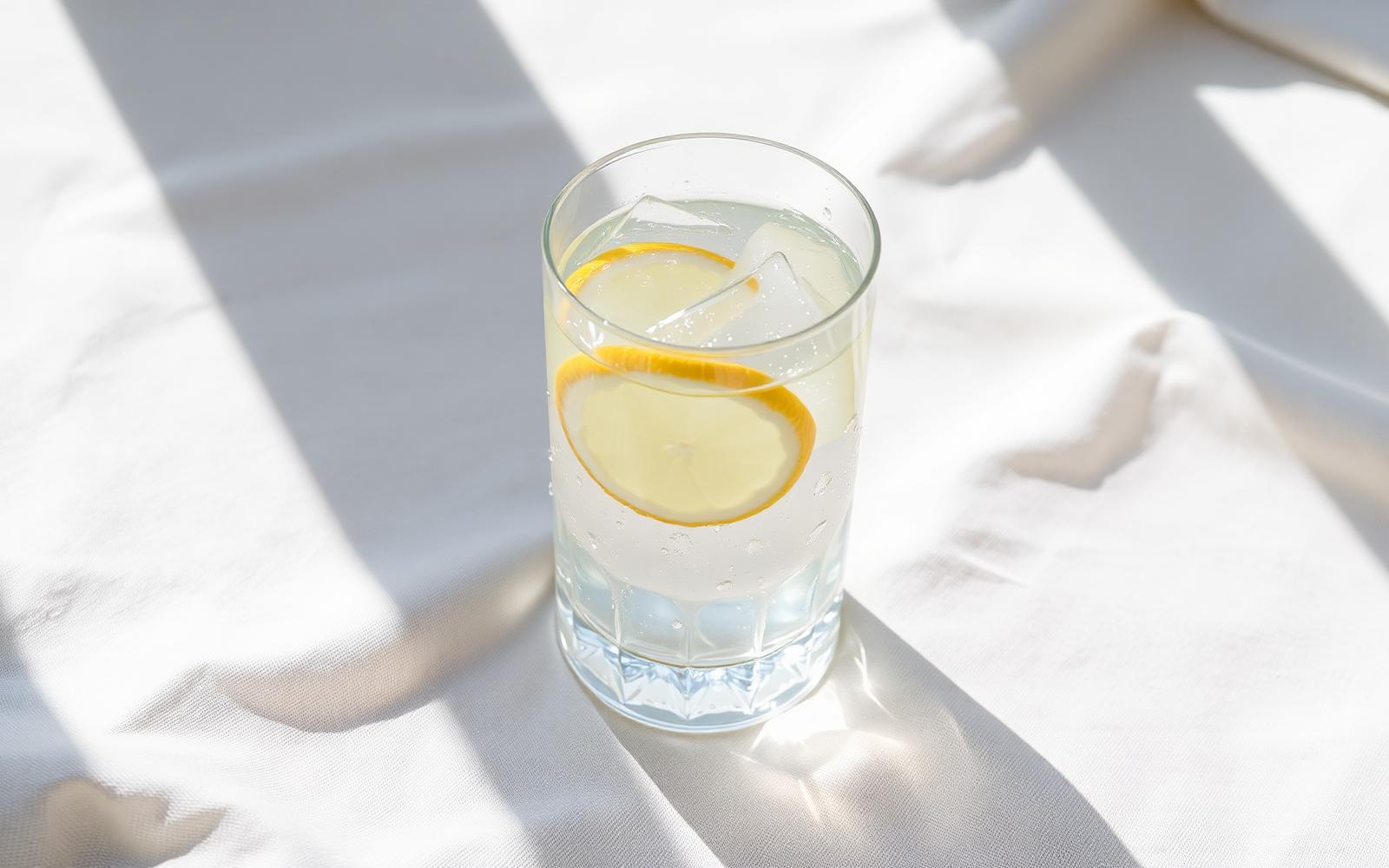
You've heard it forever: drink eight 8-ounce glasses of water a day. The problem? There's no scientific basis for that number. The real answer is more nuanced — and more interesting.
 Small daily habits compound into transformative results.
Where the 8x8 Rule Came From
A 1945 recommendation that included water from food. Marketing did the rest.
What the Science Actually Says
The Institute of Medicine suggests about 3.7 L/day for men and 2.7 L/day for women — but roughly 20% comes from food. Net beverage intake is closer to 2–3 liters.
The Best Hydration Marker
Urine color. Pale straw = well hydrated. Dark yellow = drink more.
When You Need More
Hot weather, exercise, high altitude, fever, breastfeeding and high-protein diets all increase needs.
Are Electrolytes Necessary?
For most people drinking plain water and eating whole foods — no. For endurance athletes, hot climates, or low-carb diets — sometimes yes.
Key Takeaways
- 8 glasses is a myth, not science.
- Use urine color as your gauge.
- Food provides ~20% of fluid.
- Coffee and tea count.
Frequently Asked Questions
Can you drink too much water?
Yes — hyponatremia is real but rare in normal life. Don't drink more than ~1 L/hour.
Does coffee dehydrate you?
No. The mild diuretic effect doesn't exceed the water content.
Is sparkling water as hydrating?
Yes.
Conclusion
Small, evidence-based changes — practiced consistently — outperform every fad. Bookmark this guide, share it with someone you care about, and explore more on Vital Pulse.
Enjoyed this article?
Share it with a friend who cares about their health, or browse more articles.
Keep reading
The Mediterranean Diet in 2026: Why Doctors Still Call It the World's Healthiest Way to Eat
Ranked the world's healthiest diet eight years running, the Mediterranean way of eating is built on olive oil, fish, legumes and vegetables — and the science behind it is stronger than ever.
15 Anti-Inflammatory Foods That Actually Lower CRP, According to 2026 Research
Chronic low-grade inflammation is the quiet engine behind most modern disease. These 15 foods — backed by 2026 clinical data — measurably calm it down.
How Much Protein Do You Really Need? The 2026 Evidence-Based Guide
The decades-old protein recommendation is outdated. Here's what the latest research says — and how to translate it to your plate.