Blue Light and Sleep: What's Real, What's Hype in 2026
Blue-light glasses, night mode, screen curfews — what actually works? Here's what the latest sleep science says.
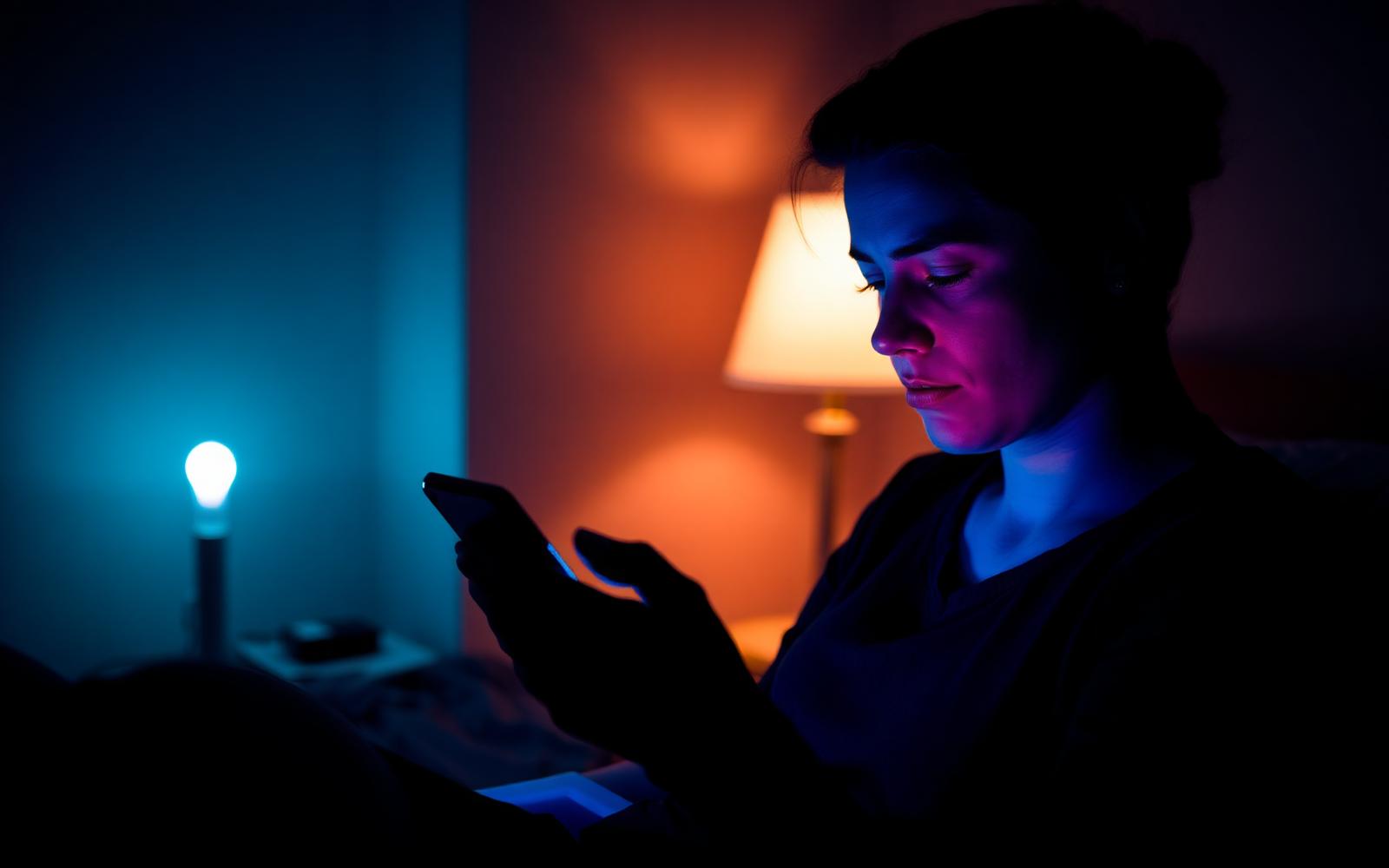
The blue-light-and-sleep narrative has become so dominant that entire industries depend on it. The truth is more nuanced — and somewhat reassuring.
 Small daily habits compound into transformative results.
What Light Actually Does
Bright light — of any color, but especially blue wavelengths — suppresses melatonin and signals "wake" to your brain via the suprachiasmatic nucleus.
How Much Phone Light Matters
Phone screens at typical evening brightness suppress melatonin slightly — but content matters more than wavelength. Stressful or stimulating content delays sleep far more than the light itself.
What Actually Works
Dim ambient lighting after sunset, avoid stimulating content 60 min before bed, get bright outdoor light in the morning.
Blue-Light Glasses: Verdict
Weak evidence. Probably not worth it for most people. Cheap habit changes beat any eyewear.
Key Takeaways
- Bright light matters more than blue light.
- Content stimulates as much as wavelength.
- Morning light is the anchor.
- Blue-light glasses are mostly hype.
Frequently Asked Questions
Does night mode really help?
Slightly. The bigger lever is overall brightness and screen content.
Are e-readers OK at night?
Yes — most have warm, low-intensity light.
Morning light: how much?
Aim for 10 minutes of outdoor light within an hour of waking.
Conclusion
Small, evidence-based changes — practiced consistently — outperform every fad. Bookmark this guide, share it with someone you care about, and explore more on Vital Pulse.
Enjoyed this article?
Share it with a friend who cares about their health, or browse more articles.
Keep reading
The Science of Deep Sleep: 7 Habits That Will Transform Your Nights in 2026
Sleep is the single most powerful health lever you have. Here's what new 2026 research says about deep sleep — and the seven evening habits that protect it.
The Perfect Power Nap: How Long, When, and Why It Works
Done right, a 20-minute nap can equal a strong cup of coffee — without the crash. Here's the science of the perfect power nap.
Magnesium for Sleep: What the 2026 Research Actually Shows
Magnesium has become the go-to sleep supplement of 2026. Here's what the science says about the right form, dose and timing.