The Perfect Power Nap: How Long, When, and Why It Works
Done right, a 20-minute nap can equal a strong cup of coffee — without the crash. Here's the science of the perfect power nap.

Napping has gone from lazy stereotype to performance tool. NASA, the Mayo Clinic and elite athletes all use structured naps to boost cognition.
 Small daily habits compound into transformative results.
The Sweet Spot: 10–20 Minutes
Long enough for restoration, short enough to avoid sleep inertia.
Avoid 30–60 Minutes
You enter deep sleep but wake before completing it — groggy for 30+ minutes.
90 Minutes Works Too
A full sleep cycle — refreshing, but harder to schedule.
Timing Matters
Nap between 1 and 3 p.m. — aligned with your natural circadian dip. Later naps wreck nighttime sleep.
The Caffeine Nap
Drink a cup of coffee right before a 20-minute nap. You wake just as caffeine peaks.
Key Takeaways
- Aim for 10–20 minutes.
- Nap before 3 p.m.
- Try the caffeine nap.
- Closed-eye rest still helps.
Frequently Asked Questions
Are naps bad for nighttime sleep?
Only if they're too long or too late in the day.
I can't fall asleep — does resting count?
Yes. Quiet eyes-closed rest captures most of the cognitive benefit.
Should everyone nap?
No — chronic insomniacs should usually skip naps.
Conclusion
Small, evidence-based changes — practiced consistently — outperform every fad. Bookmark this guide, share it with someone you care about, and explore more on Vital Pulse.
Enjoyed this article?
Share it with a friend who cares about their health, or browse more articles.
Keep reading
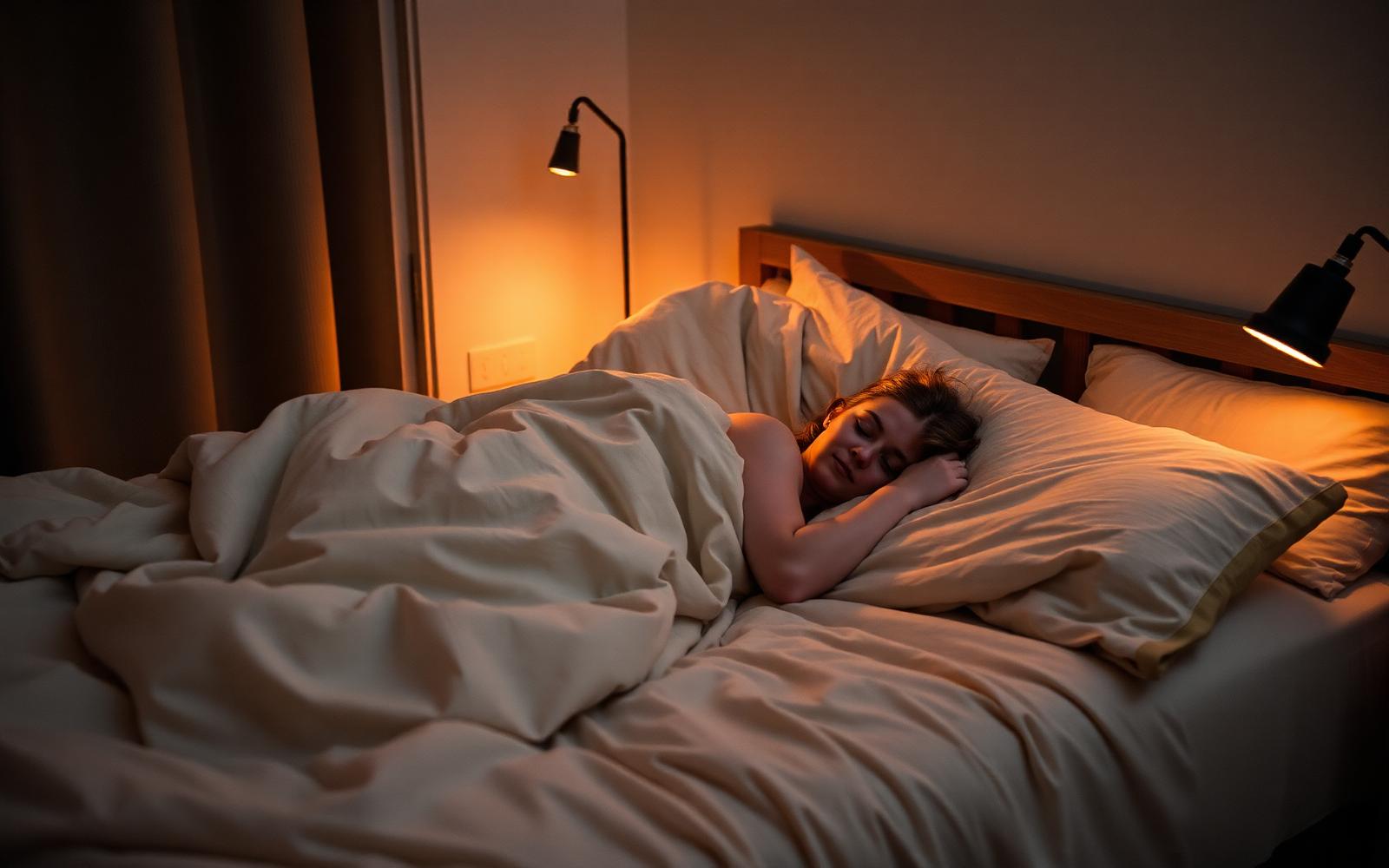
The Science of Deep Sleep: 7 Habits That Will Transform Your Nights in 2026
Sleep is the single most powerful health lever you have. Here's what new 2026 research says about deep sleep — and the seven evening habits that protect it.
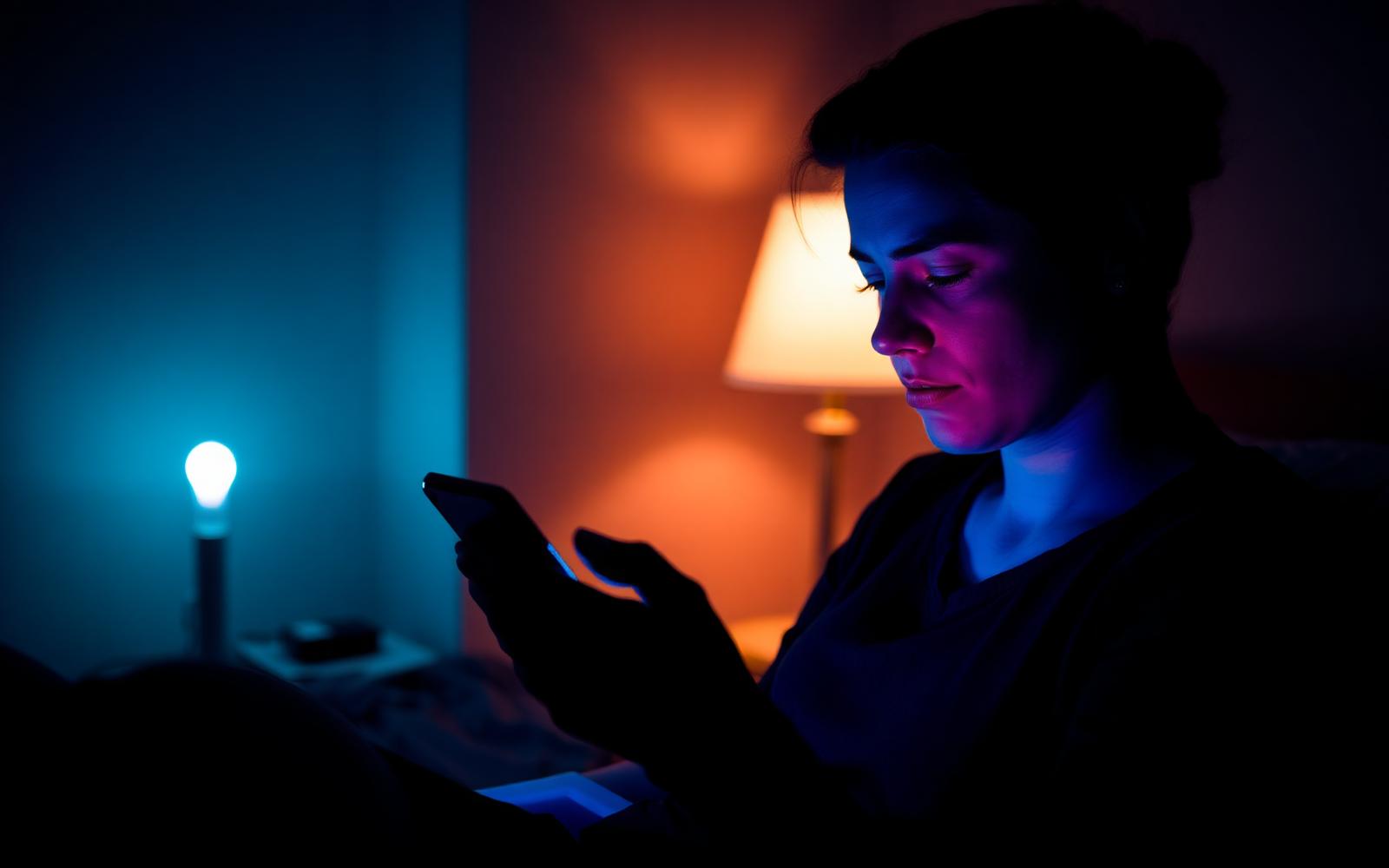
Blue Light and Sleep: What's Real, What's Hype in 2026
Blue-light glasses, night mode, screen curfews — what actually works? Here's what the latest sleep science says.
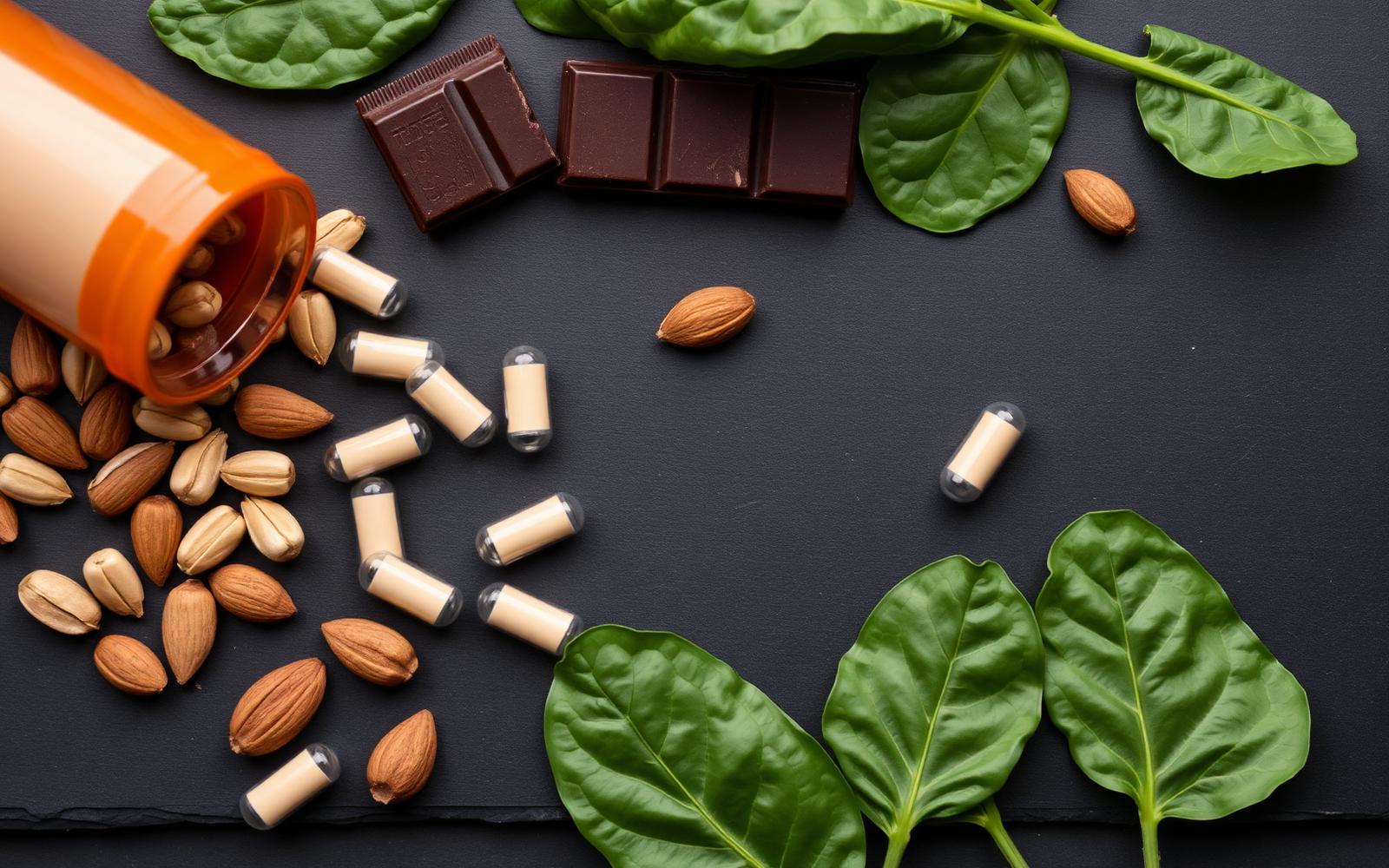
Magnesium for Sleep: What the 2026 Research Actually Shows
Magnesium has become the go-to sleep supplement of 2026. Here's what the science says about the right form, dose and timing.