Magnesium for Sleep: What the 2026 Research Actually Shows
Magnesium has become the go-to sleep supplement of 2026. Here's what the science says about the right form, dose and timing.
Magnesium plays a role in over 300 enzymatic reactions, including those that regulate GABA — the brain's main calming neurotransmitter. Up to 50% of adults consume less than the RDA, and supplementation may genuinely help sleep in that group.
 Small daily habits compound into transformative results.
Which Form to Choose
Glycinate — best for sleep and anxiety. Threonate — crosses the blood-brain barrier; promising for cognition. Citrate — affordable but can be laxative. Avoid oxide (poor absorption).
Dose and Timing
200–400 mg of glycinate, 30–60 minutes before bed.
Who Benefits Most
People with deficient intake, older adults, athletes, and those under chronic stress.
Food First
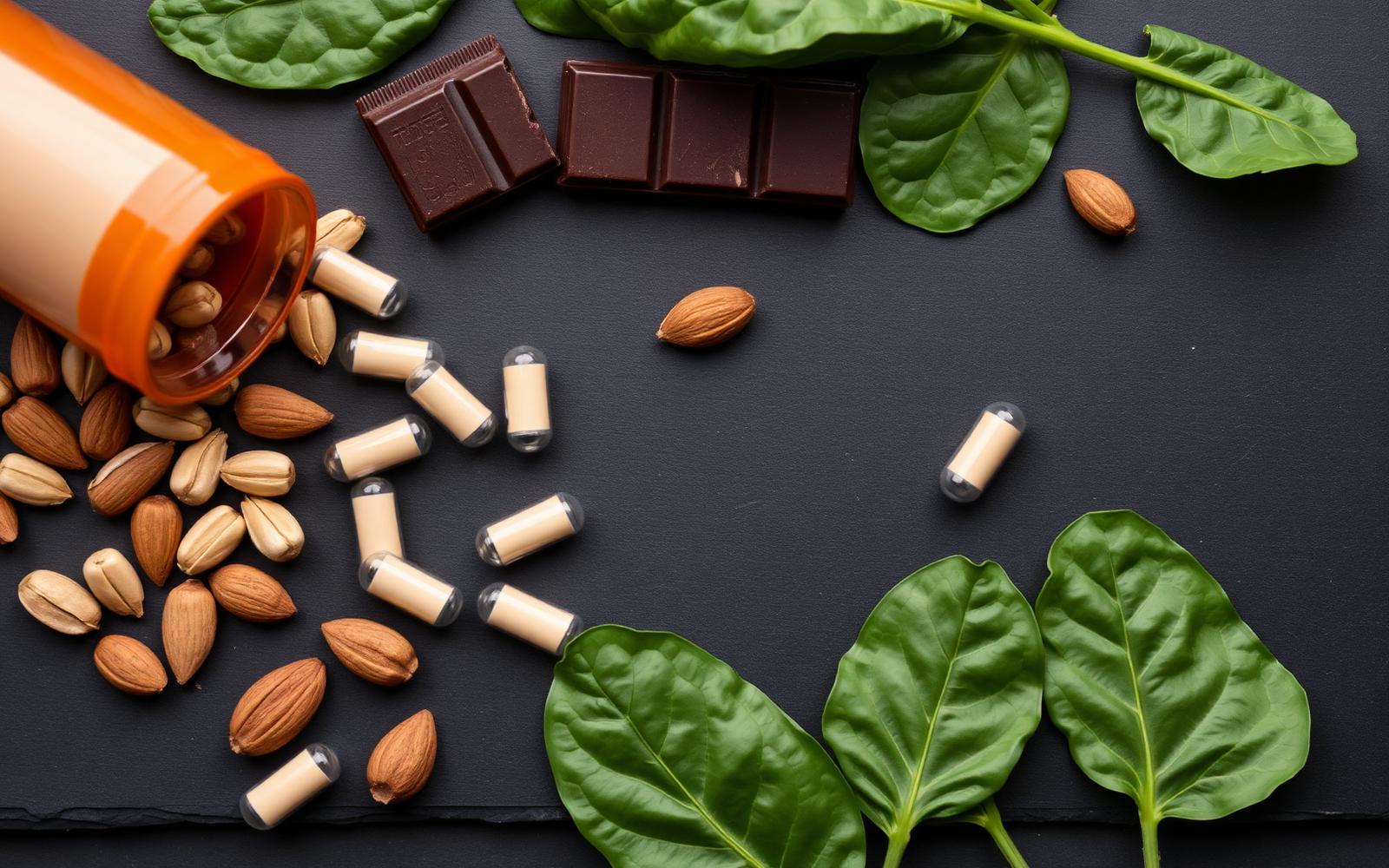
Pumpkin seeds, almonds, spinach, dark chocolate, black beans — daily food sources can cover most needs.
Key Takeaways
- Glycinate is the sleep form.
- Take 30–60 min before bed.
- Eat magnesium-rich foods daily.
- Avoid oxide.
Frequently Asked Questions
Is magnesium safe long-term?
Yes, at recommended doses, for most healthy adults.
Can I take it with other supplements?
Generally yes — though it can compete with calcium and zinc for absorption.
How fast does it work?
Some notice effects within days; others take 2–4 weeks.
Conclusion
Small, evidence-based changes — practiced consistently — outperform every fad. Bookmark this guide, share it with someone you care about, and explore more on Vital Pulse.
Enjoyed this article?
Share it with a friend who cares about their health, or browse more articles.
Keep reading
The Science of Deep Sleep: 7 Habits That Will Transform Your Nights in 2026
Sleep is the single most powerful health lever you have. Here's what new 2026 research says about deep sleep — and the seven evening habits that protect it.

Blue Light and Sleep: What's Real, What's Hype in 2026
Blue-light glasses, night mode, screen curfews — what actually works? Here's what the latest sleep science says.

The Perfect Power Nap: How Long, When, and Why It Works
Done right, a 20-minute nap can equal a strong cup of coffee — without the crash. Here's the science of the perfect power nap.