The Science of Deep Sleep: 7 Habits That Will Transform Your Nights in 2026
Sleep is the single most powerful health lever you have. Here's what new 2026 research says about deep sleep — and the seven evening habits that protect it.
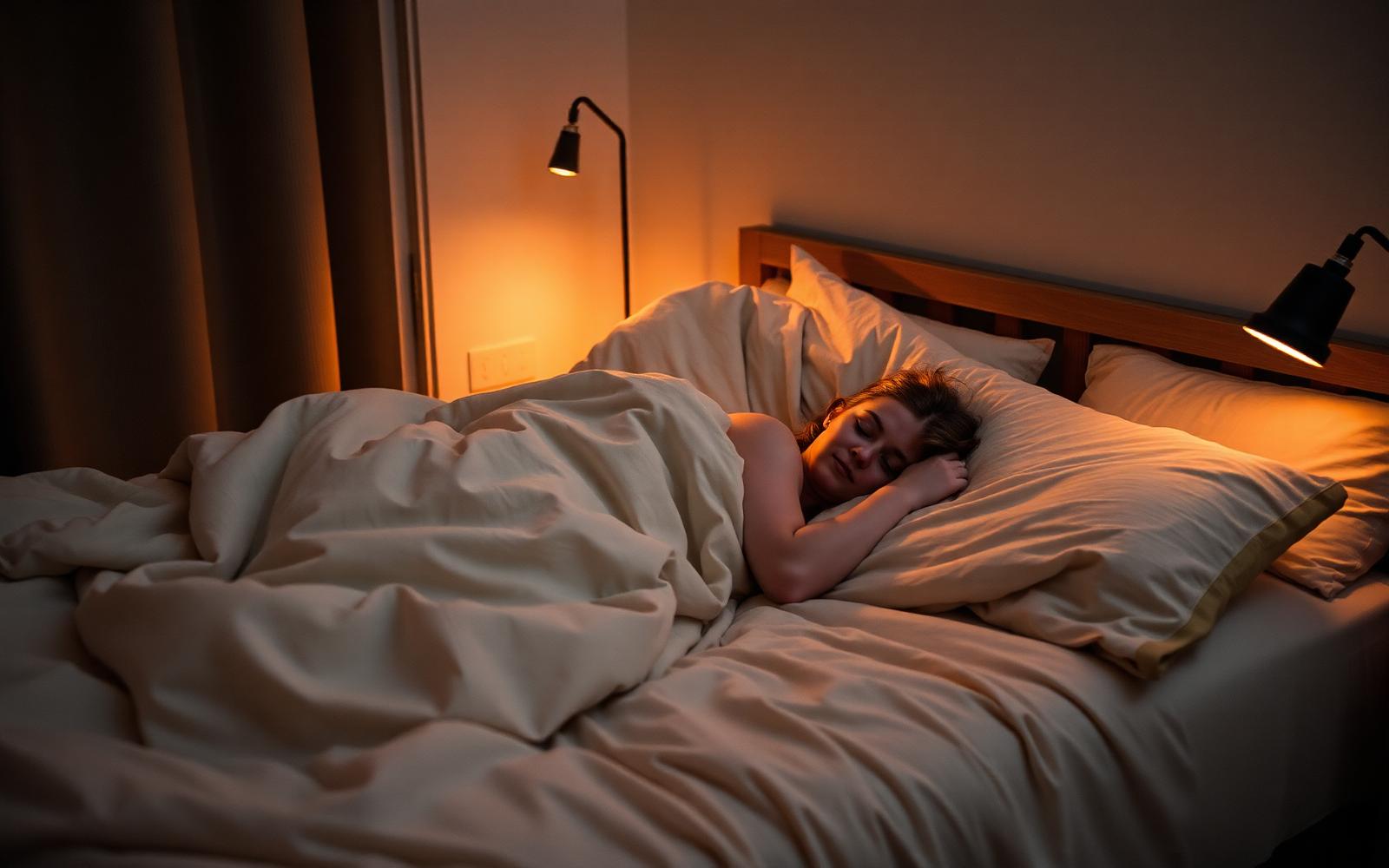
If you could take a single, free, side-effect-free pill that lowered your risk of heart disease, dementia, depression, obesity and early death — while sharpening your memory, mood and immune system — you would take it every night. That pill exists. It's called deep sleep.
And yet, according to the U.S. Centers for Disease Control and Prevention, more than a third of American adults routinely fail to get the seven hours they need. The economic cost in lost productivity exceeds $400 billion a year. The personal cost is even higher.
The 2026 wave of sleep research has done something remarkable: it has clarified exactly which habits move the needle on deep, restorative sleep — and which ones we've been overrating. Here is what the evidence now shows, and seven habits you can start tonight.
What "Deep Sleep" Actually Means
Sleep is not a single state. Each night you cycle through four stages roughly every 90 minutes:
- N1 (light): the drowsy hand-off into sleep.
- N2 (lighter): about half of total sleep; memory consolidation begins.
- N3 (deep, "slow-wave"): the physically restorative stage — growth hormone release, tissue repair, immune resetting, brain "washing" via the glymphatic system.
- REM: dream sleep — emotional processing and creative integration.
You need both deep N3 sleep (for the body) and REM sleep (for the brain). Caffeine, alcohol, late screens and irregular schedules each attack a specific stage. The seven habits below are designed to protect both.
 Caffeine-free evening rituals — like a cup of chamomile — gently cue your brain that the day is ending.
The 7 Habits Backed by 2026 Sleep Science
1. Anchor Your Wake-Up Time, Not Your Bedtime
Your circadian rhythm is governed by morning light, not evening behavior. Pick a wake-up time you can hold seven days a week (yes, weekends too — within 30 minutes). Get 10 minutes of outdoor light within an hour of waking. This single habit fixes more sleep problems than any supplement.
2. Stop Caffeine 10 Hours Before Bed
Caffeine's half-life is around 5–6 hours. That afternoon latte at 3pm still has ~25% of its dose circulating at 11pm — actively blocking adenosine receptors and shredding deep sleep, even if you fall asleep on time.
3. Treat Alcohol Like a Sleep Saboteur
Alcohol sedates you (you fall asleep faster) but suppresses REM and fragments the second half of the night. The result: more wake-ups, less dream sleep, and a fuzzy morning. If you drink, finish at least three hours before bed and keep it modest.
4. Cool the Room to 18°C / 65°F
Your core body temperature has to drop by about 1°C to initiate deep sleep. A warm bedroom physically blocks this. The sweet spot in 2026 sleep labs is 17–19°C (62–67°F). A warm shower 90 minutes before bed helps — paradoxically, by causing your skin to release heat afterwards.
5. Dim Lights 2 Hours Before Bed
Bright overhead light at 10pm suppresses melatonin by up to 50%. Switch to lamps, candles or warm bulbs after dinner. Screens are less catastrophic than overhead lights, but a screen with brightness blasted at 100% in a dark room is worse than your phone "Night Shift" setting suggests.
6. Make Your Bed a Sleep-Only Zone
If you scroll, work, eat and stress in bed, your brain learns: bed = wakefulness. Reclaim it. Bed is for sleep and intimacy only. Read in a chair, then move to bed when sleepy. Within two weeks, simply lying down will start to make you drowsy again.
7. Protect a 30-Minute "Buffer Zone"
Most people go from screen-bright stimulation straight under the covers and then wonder why their mind is racing. Build a 20–30 minute buffer: dim lights, a warm caffeine-free drink, a paper book or journal, slow breathing, light stretching. This is when sleep actually begins — before you lie down.
The reward for consistency: longer, deeper, more restorative sleep — night after night.
What the Research Says About Common "Hacks"
- Magnesium glycinate: Modest evidence for falling asleep faster; safe for most adults.
- Melatonin: Helpful at low doses (0.3–1 mg) for shifting sleep timing (jet lag, shift work). At the 5–10 mg doses sold in stores, it's mostly placebo and may worsen morning grogginess.
- Sleep trackers: Useful for trends, not nightly accuracy. Don't let a low Oura score cause anxiety that ruins the next night ("orthosomnia").
- Weighted blankets: Small evidence for reducing anxiety-related insomnia. Low risk.
- Mouth taping: Trendy. Limited evidence. Don't try without screening for sleep apnea first.
Expert Insight
"Sleep is the foundation upon which the two pillars of diet and exercise rest. There is no aspect of your wellness that is not enhanced by adequate sleep — and no aspect that doesn't suffer when you don't get it. We treat sleep as the negotiable variable, but biologically it is the least negotiable variable we have." — Dr. Matthew Walker, sleep neuroscientist, UC Berkeley
When to See a Doctor
Talk to your physician if you experience:
- Loud snoring, gasping, or witnessed pauses in breathing (possible sleep apnea).
- More than three nights a week of trouble falling or staying asleep, for over a month.
- Persistent daytime sleepiness despite 7+ hours in bed.
- Restless, crawling sensations in the legs at night.
These are treatable medical conditions, not personal failings.
Key Takeaways
- Deep N3 sleep and REM sleep both matter — the seven habits above protect both.
- Morning light + consistent wake time is the most underrated sleep intervention.
- Cut caffeine 10 hours before bed and alcohol 3 hours before bed.
- Cool, dark, quiet room (~18°C / 65°F).
- Build a 20–30 minute screen-free buffer before lying down.
- Most "biohacks" matter less than these basics. Master fundamentals first.
Frequently Asked Questions
How many hours of sleep do I really need?
Adults: 7–9 hours. There's a vanishingly small genetic minority who function on 6. Statistically, you are not one of them.
Are naps bad for sleep?
No — when done right. A 10–25 minute nap before 3pm is restorative. Long, late naps can blunt nighttime sleep pressure.
Is it bad to wake up at 3am?
A brief awakening is biologically normal. Getting frustrated about it is what keeps you awake. If you're still up after 20 minutes, get out of bed and read in dim light until sleepy.
Should I take melatonin every night?
No. Use the lowest effective dose, short-term, for circadian shifts (jet lag, shift work). Light, not pills, is your strongest sleep regulator.
Conclusion: Your Most Powerful Daily Habit
If diet and exercise are the engine of health, sleep is the chassis that holds it all together. Skip it, and nothing else really works.
Pick two of the seven habits above and start tonight. In two weeks, layer in a third. Within a month, you'll be sleeping better than you have in years — and you'll feel the difference in every other corner of your life.
Vital Pulse content is for educational purposes and does not constitute medical advice. If you suspect a sleep disorder, please consult a licensed sleep medicine specialist.
Enjoyed this article?
Share it with a friend who cares about their health, or browse more articles.
Keep reading
Blue Light and Sleep: What's Real, What's Hype in 2026
Blue-light glasses, night mode, screen curfews — what actually works? Here's what the latest sleep science says.
The Perfect Power Nap: How Long, When, and Why It Works
Done right, a 20-minute nap can equal a strong cup of coffee — without the crash. Here's the science of the perfect power nap.
Magnesium for Sleep: What the 2026 Research Actually Shows
Magnesium has become the go-to sleep supplement of 2026. Here's what the science says about the right form, dose and timing.